American Club: Key recommendations for safe anchoring operations
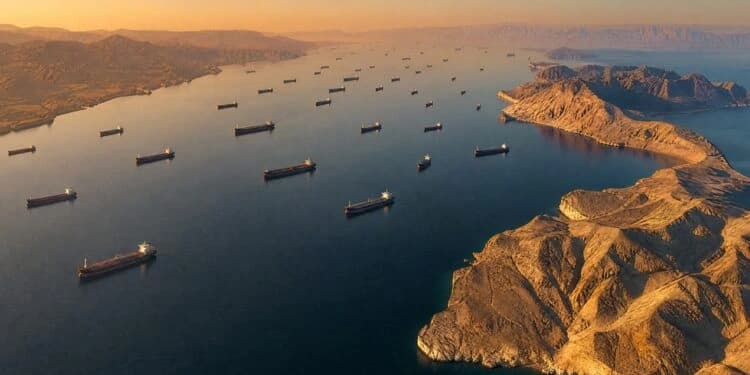
The American P&I Club has published the latest installment of their Good Catch series, highlighting the risks associated with anchoring near pipelines, underwater cables and coral reefs.
According to the American Club, as all mariners are aware, there are a lot more than just sharks and fish below the surface of the water. There are pipelines, electrical cables, telecommunications cables for phone and internet, coral reefs, obstructions, debris flushed out by rivers, used fishing gear, and lost anchors.
These objects can snag or foul your anchor and make it very difficult to retrieve. In some cases, a fouled anchor can only be retrieved with the assistance of divers or a crane barge, resulting in significant expense and delay. However, those expenses are small compared to the costs and consequences of damaging a pipeline, an electrical cable, a telecommunications cable, or a coral reef.
Such damage can cause:
- pollution from a ruptured oil or chemical pipeline;
- a major safety issue from a damaged gas pipeline;
- disruption and isolation of entire communities from damaged underwater electrical, telephone, or internet cables;
- major impact to an environmentally sensitive coral reef;
- a potential criminal prosecution; and
- a massive insurance claim from injured parties to repair the damage and disruption.
Pipelines and underwater cables may be buried beneath the seabed or laid directly on the seafloor, depending on their purpose. The depth of cover typically varies from 3 to 25 feet (1 to 7.5 meters).
However, waves and currents, especially from severe storms, can wash away some of the cover and can cause a pipeline or cable to shift. Also, the anchor’s flukes that dig into the ocean floor may penetrate the cover layer and snag on the pipeline or cable, damaging it.
Coral reefs and environmentally sensitive marine life may not be located within anchorage areas but can sometimes be found immediately outside of an anchorage area. That puts them at risk should the vessel swing outside of the anchorage area or drag anchor beyond the anchorage area.
Key recommendations
To prevent contact with a pipeline, underwater cable, or coral reef:
- Make every anchoring operation part of the detailed passage plan.
- Make sure your charts and/or ECDIS are updated and check them closely.
- Review all local notices to mariners and the Coast Pilot in U.S. waters.
- When deciding where to anchor, consider risks such as: all charted underwater pipelines and cables; the expected wind, waves, swell, and currents; the possibility that your vessel might drag anchor in the predicted weather; the limits of the anchors and chain based on the water depth and the holding ability of the ocean floor in that location; the proximity of other anchored vessels and navigation hazards; and the availability of other locations to anchor farther from pipelines and underwater cables.
- Identify a minimum safe distance from pipelines, cables, and coral reefs that includes a safety margin based on the environmental conditions and identified risk factors.
- Set alarms to warn of dragging anchor.
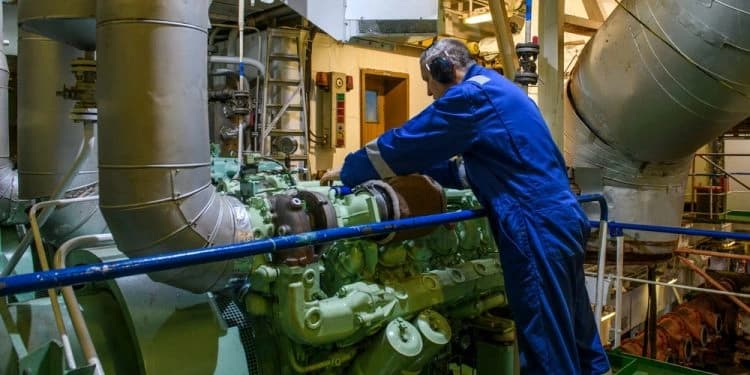
- Based on the above risk factors, determine the readiness/standby status for the main engine based on how quickly the vessel may need the main engine to be fully operational should the anchor drag.
- If bad weather is expected, consider taking on additional ballast to reduce the risk of dragging anchor by reducing the vessel’s freeboard. Additionally, use ballast to reduce trim by the stern as much as possible.
- Closely monitor the vessel’s position and the weather conditions.
- Ensure your crews stand vigilant anchor watches.
- Ensure the vessel’s safety management system properly considers anchoring-related risks and associated actions to prevent and mitigate incidents.
- Err on the side of caution.
When you identify a hazard before something goes wrong… it’s a Good Catch. When you stop an operation before something bad happens… it’s a Good Catch. When you evaluate all the risks and anchor in areas with minimal or no risk of snagging a pipeline, underwater cable, or coral reef… that’s a Good Catch, too!