ABS: New IMSBC Code requirements to change bulk cargo carriage from 2027

New IMSBC Code amendments taking effect in January 2027 introduce cargo schedules and tighter safety requirements for solid bulk shipments.
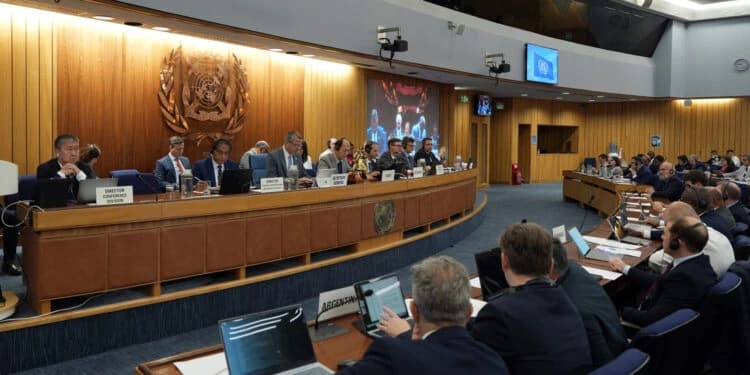
According to an October 2026 regulatory update by the American Bureau of Shipping (ABS), amendments 08-25 to the International Maritime Solid Bulk Cargoes (IMSBC) Code will become mandatory on January 1, 2027, applying to both new and existing ships carrying solid bulk cargoes. The amendments were adopted by the IMO Maritime Safety Committee (MSC) through Resolution MSC.575(110) in June 2025 and have been available for voluntary application since January 1, 2026.
The amendments introduce new cargo schedules, revise 11 existing schedules and update provisions covering cargo classification, loading conditions, segregation and fumigation. The changes were among the key outcomes of IMO MSC 110.
Key changes to cargo safety requirements
The amendments address several operational hazards associated with the carriage of solid bulk cargoes, including liquefaction, chemical reactions, structural loading and hazardous atmospheres.
- Cargoes prone to liquefaction: New Group A schedules cover apatite concentrate and phosphate rock fines, both of which may liquefy if their moisture content exceeds the transportable moisture limit (TML). The changes reinforce the importance of cargo testing and monitoring, particularly given the continuing safety risks associated with cargo liquefaction.
- Fish meal classification: Stabilized fish meal classified under UN 2216 is now treated as Class 9 dangerous goods. A separate Group C schedule applies to stabilized fish meal that does not meet the dangerous goods or materials hazardous only in bulk (MHB) criteria. The Group C schedule also identifies potential oxygen depletion in cargo spaces.
- Direct reduced iron (DRI): Revised requirements for DRI (A) introduce stricter acceptance criteria. Before loading, shippers must provide certification confirming compliance with specified limits for apparent density, moisture, fines and temperature. These include a maximum moisture content of 1%, a maximum temperature of 65°C and fines content not exceeding 5% by weight.
- Additional cargo hazards: New schedules address corrosive cargoes such as aluminum sulfate granular and ferric sulfate granular, alongside cargoes presenting structural loading concerns, including iron ore briquettes.
- Segregation and fumigation: The amendments update segregation provisions for dangerous goods and revise references to IMO guidance on the safe use of pesticides during cargo hold fumigation.
Certification and compliance requirements
ABS highlights that existing IMSBC Certificates of Fitness remain valid until their expiry. However, certificates must be reissued where necessary to incorporate newly added cargoes that ships intend to carry.
Ships transporting stabilized fish meal under UN 2216 must also verify that their Dangerous Goods Document of Compliance authorizes the carriage of Class 9 solid bulk cargoes.
In addition, aluminum sulfate granular, ferric sulfate granular and castor beans UN 2969 have been added to the list of cargoes for which exemptions from fixed gas fire-extinguishing arrangements may be permitted. Operators should confirm with their flag Administration whether the relevant exemption certificates require reissuance.
Key safety recommendations
To prepare for the amendments, ABS recommends that shipowners, operators and masters:
- Review intended cargoes: Identify new and revised schedules affecting vessels’ planned trades and verify cargo acceptance requirements before loading.
- Update documentation: Review IMSBC Certificates of Fitness, dangerous goods documentation and relevant fire-extinguishing exemption certificates.
- Revise shipboard procedures: Update cargo acceptance, segregation, fumigation, loading and monitoring procedures to reflect the amended requirements.
- Strengthen crew familiarization: Brief masters and relevant personnel on changes affecting DRI, fish meal and Group A cargoes.
- Review enclosed space entry arrangements: Ensure atmospheric testing and entry procedures account for potential oxygen depletion and other cargo-related hazards. Previous investigations into fatal cargo hold entries have highlighted the consequences of inadequate gas testing and entry controls.
- Verify cargo planning information: Review loading manuals, loading computer databases and voyage planning tools to ensure cargo characteristics and operational restrictions are correctly reflected.
ABS also advises operators to check whether ports are already applying the amendments voluntarily, as cargoes may be declared under the revised schedules before the mandatory implementation date.
The amendments are part of the IMO’s regular two-year revision cycle for the IMSBC Code, which aims to keep cargo carriage requirements aligned with emerging hazards, operational experience and updated safety information.