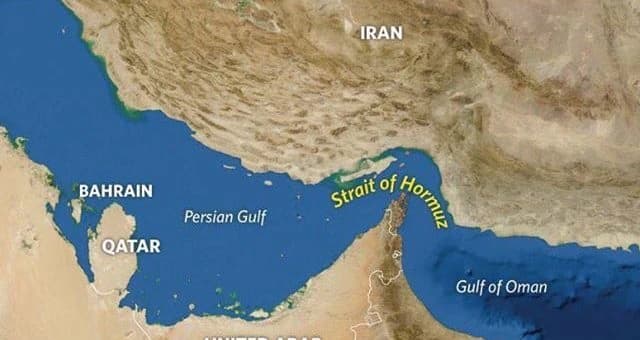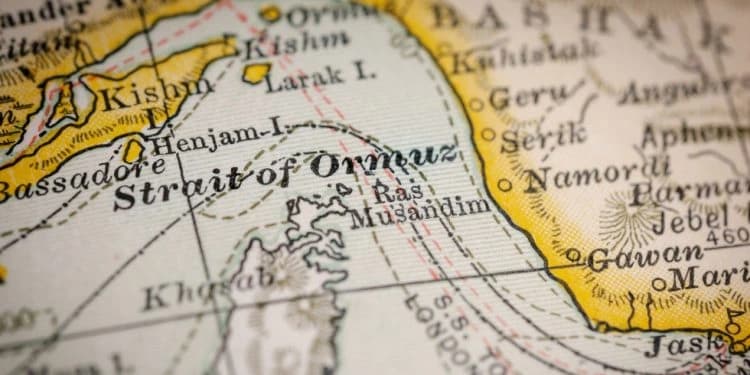
The Strait of Hormuz is facing fresh strain after a run of maritime security incidents disrupted commercial traffic, with tankers struck and vessels reportedly pursued in a more volatile operating setting. As UKMTO urges ships to proceed with caution, the Liberia Maritime Authority has issued an advisory warning that certain transit arrangements may carry heightened sanctions, regulatory and compliance risks.
For shipowners and operators, the message is that a Hormuz transit cannot be judged only by the passage plan. The route, counterparties, third-party services and sanctions exposure may all influence whether a voyage is acceptable, and those questions need to be considered before the vessel gets underway.
Start due diligence before the voyage
Operators are being advised to assess compliance risks before authorising a transit, rather than waiting until the ship is close to the strait. That review should sit inside the company’s voyage planning and sanctions-compliance processes so it is part of the decision to proceed from the outset.
The assessment should cover the proposed voyage and routing, the nature of the planned operations, relevant counterparties, third-party services supporting the transit and any circumstances that could raise sanctions or compliance exposure.
Assess the entire transit arrangement
The compliance check should reach beyond the vessel and its cargo to the wider structure around the voyage. Operators should gather enough information on counterparties, transit arrangements, passage coordination and services delivered by third parties to understand the full operating picture.
A practical approach is to establish clearly who is involved in the transit, what services each party is providing, who arranged those services and whether any part of the arrangement needs further compliance review. That wider review is important because the risk may arise from how the transit is organised, not only from the cargo or ship itself.
Verify rather than assume
Existing commercial relationships and routine procedures should not be treated as sufficient on their own. When a voyage involves new counterparties, unusual arrangements or third-party services, extra checks may be warranted so the company has enough information to make an informed risk assessment before the vessel proceeds.
If information is incomplete or circumstances change, concerns should be escalated through established company procedures. The point is to avoid relying on assumptions when the operating context may have shifted.
Maintain an auditable record
The Liberia Maritime Authority recommends keeping records of compliance reviews completed before, during and after transit. Those records should show what checks were carried out, what information was reviewed, what risks were identified, what decisions were taken and how significant changes or concerns were handled.
Such documentation helps connect the shore organisation and the vessel while also creating an evidential trail of the company’s risk-management process. In a sensitive transit environment, that record can matter as much as the decision itself.
Keep monitoring after departure
A compliance assessment completed before sailing may no longer reflect conditions later in the voyage. Operators therefore need ongoing monitoring, together with clear channels for Masters and shore-based personnel to report fresh concerns as they arise.
Any change in counterparties, services, routing or operational arrangements should prompt a review where appropriate. The advisory makes clear that risk management does not end once the ship has departed.
Strengthen ship-shore communication
Sanctions and compliance procedures should not be confined to shore offices. Masters and relevant onboard personnel need to understand the company’s reporting and escalation mechanisms, including who to contact when a potential compliance issue arises.
At the same time, DPAs and shore teams should be able to pass relevant information and decisions to the vessel promptly. Effective communication is part of the compliance structure, not an optional extra.
A wider compliance lesson
The advisory points to a broader lesson for voyage risk management: in a strategically sensitive area, navigational danger is only one element of the total risk picture. Effective planning should combine voyage assessment, sanctions compliance, counterparty due diligence, third-party screening, documentation and escalation procedures.
The objective is not to add unnecessary bureaucracy. It is to make sure decisions are based on information that is current and sufficiently verified before the vessel enters or continues through the strait.