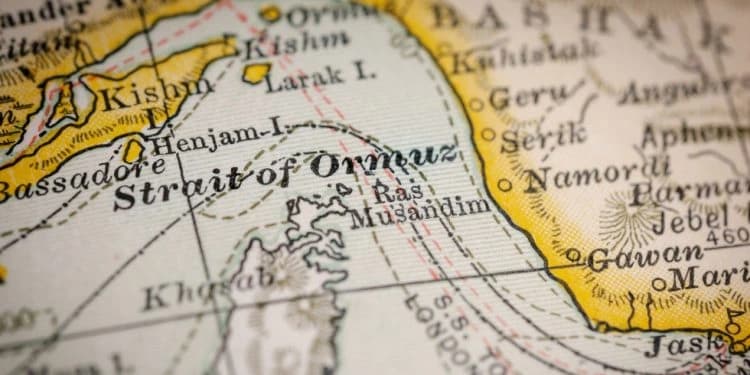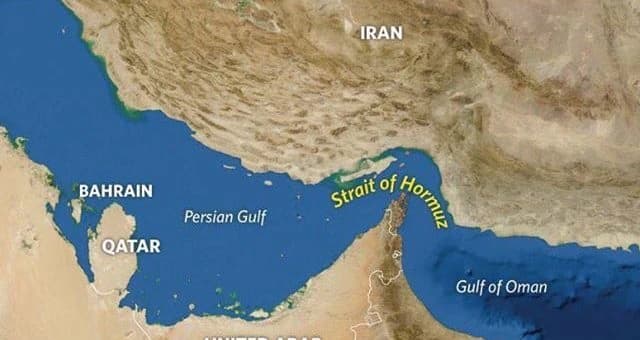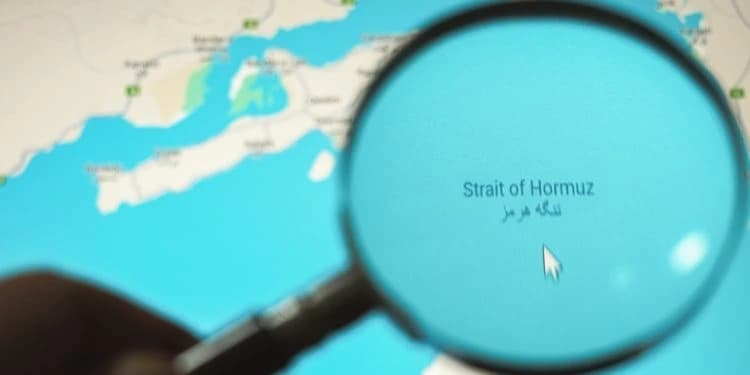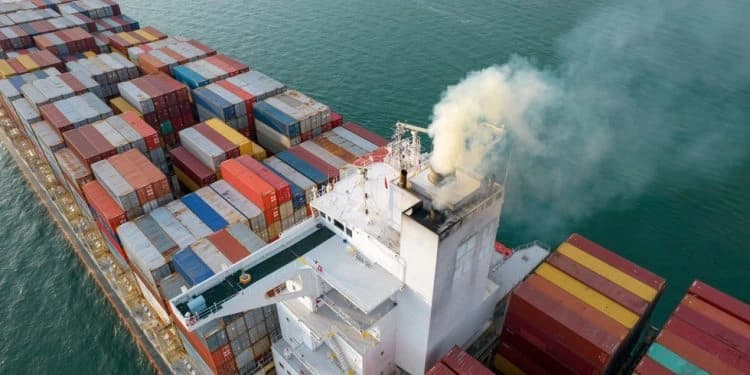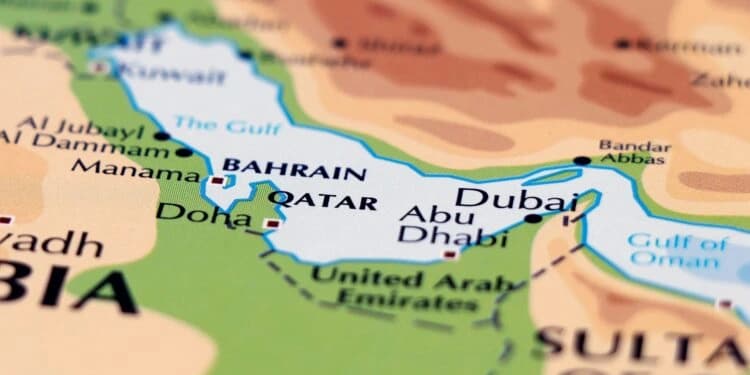
A reported explosion near a tanker off Dubai and separate Iranian claims that several vessels hit mines in the Strait of Hormuz have intensified concern over shipping security across the Gulf. The incidents come as maritime authorities and industry groups warn that transiting the area now carries heightened risk for commercial vessels and crews.
UKMTO reports suspicious activity west of Dubai
The United Kingdom Maritime Trade Operations said an incident took place on November 25 about 50 nautical miles west of Dubai, United Arab Emirates. In warning 222-26, which it classified as suspicious activity, UKMTO said the master of a tanker reported an explosion caused by an unidentified projectile in close proximity to the ship.
UKMTO added that all crew members were safe and accounted for, and that there was no reported damage to the tanker or environmental impact. Authorities are still investigating, and vessels in the area have been told to remain cautious and pass on any suspicious activity to UKMTO.
Iran links multiple blasts to naval mines
Iran Press reported on 25 November that the Islamic Revolutionary Guard Corps Navy said a liquefied natural gas carrier suffered an explosion and fire after hitting a naval mine while moving through the Strait of Hormuz. The Iranian military alleged that the vessel had turned off its positioning systems and was trying to pass through a route that Iran had not authorized.
According to Reuters, the IRGC Navy also claimed on November 25 that two oil tankers struck naval mines in the Strait of Hormuz, causing explosions and fires. Later that day, Iran’s semi-official Fars news agency, citing the Iranian army, said another oil tanker had hit a naval mine and caught fire.
The identities of the ships, the scale of any damage and the condition of their crews have not been independently confirmed, and it remains possible that the reported incidents overlap.
Warnings from Iran and shipping groups
Reuters quoted Iranian army spokesperson Mohammad Akraminia as saying Iran had reinforced surveillance and control in the Strait of Hormuz and that vessels transiting without coordination with Iranian authorities faced higher risks. Tehran says regular shipping through the waterway will not resume until its demands are met, including the lifting of the US naval blockade of Iranian ports and an end to hostilities.
The latest reports follow attacks on three tankers in rapid succession on November 22, when all three ships were able to continue sailing and no crew injuries were reported. INTERTANKO has said shipping resilience should not become acceptance of attacks on commercial ships, arguing that keeping energy supplies moving must not come at the cost of seafarer safety or freedom of navigation.
Industry letter urges practical protection
Eight major shipping associations issued a joint open letter on November 26 urging concrete steps to protect freedom of navigation and seafarers. The letter was addressed to EU High Representative Kaja Kallas and foreign ministers of EU Member States and partner countries, and it backed the EU-led Pledge on Maintaining the Integrity of the International Law of the Sea – No Fees/No Tolls, announced on October 12, 2026.
The signatories are European Shipowners | ECSA, BIMCO, CLIA, ICS, INTERCARGO, INTERFERRY, INTERTANKO and the World Shipping Council (WSC). They reiterated support for the United Nations Convention on the Law of the Sea (UNCLOS) and opposed unilateral restrictions and compulsory transit charges in international straits, including the Strait of Hormuz.
For our industry, the safety and protection of seafarers is a precondition of freedom of navigation. Seafarers are the backbone of global trade and must be able to carry out their work safely. They must never become targets of violence.
The associations said governments should turn diplomatic commitments into practical protection by maintaining close coordination with naval forces and shipping stakeholders. They also warned that disruption to maritime transport can affect global trade, energy security and access to essential goods, and they urged more countries to support the pledge and broader multilateral work through the IMO.