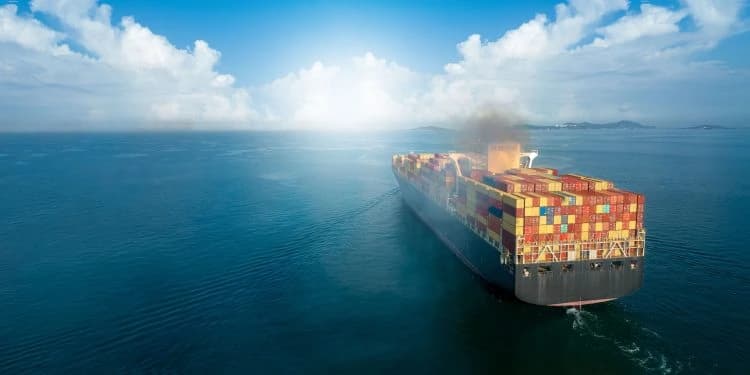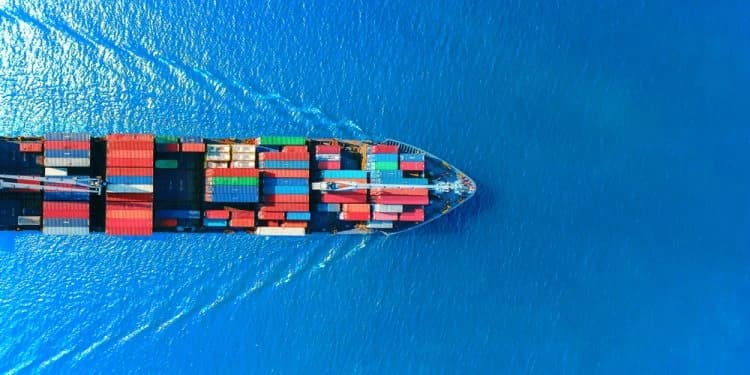
Public and private financiers are still sending billions of dollars toward vessels that can run only on fossil fuels, a pattern that could lock shipping into conventional energy use for decades. A new report says current lending and guarantee decisions are helping shape the global fleet in ways that may slow the sector’s path to decarbonization.
Capital flows are shaping the future fleet
The study, Capital at the Helm: Financing Decisions and the Future of Shipping, was published on November 22, 2026 by Solutions for Our Climate (SFOC). It reviews how commercial bank lending and public financial support are influencing the composition of the world fleet and, by extension, the industry’s emissions trajectory.
SFOC says the stakes are high because global ship financing had reached approximately $680 billion as of December 2025. Ships ordered now can remain in service into the 2040s and 2050s, meaning financing choices made today may determine emissions outcomes for many years. That matters even as the International Maritime Organization aims for net-zero greenhouse gas emissions by or around 2050.
Despite that target, vessels that can operate on zero- and near-zero-emission (ZNZ) fuels made up only around 5% of newbuilding orders for ships of 5,000 gross tonnage or above between 2023 and August 2026.
Commercial banks continue to back conventional vessels
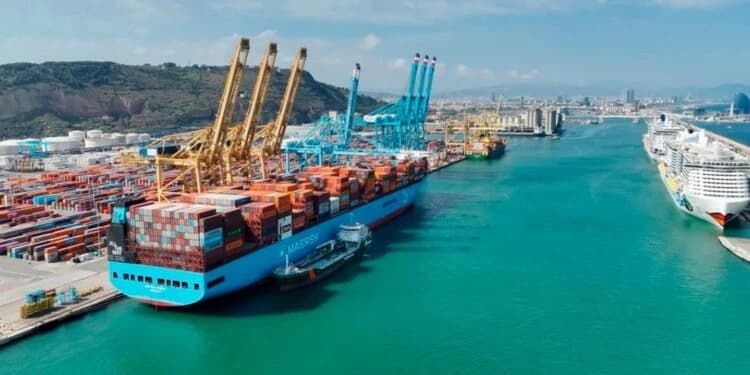
SFOC looked at the ten largest commercial bank creditors to shipping-related entities tied to the world’s ten biggest container shipping groups, including MSC, Maersk, CMA CGM and Hapag-Lloyd. It found that between 2016 and 2025 those lenders provided $24 billion in loans, with about $12.9 billion across 140 transactions identified as potentially linked to vessel orders.
Among the 737 vessels ordered by these groups from January 2020 through July 2026, 636, or 86%, were exclusively capable of operating on fossil fuels. The report also notes that eight of the ten largest creditors it identified are headquartered in Europe.
South Korean public finance shows a similar split
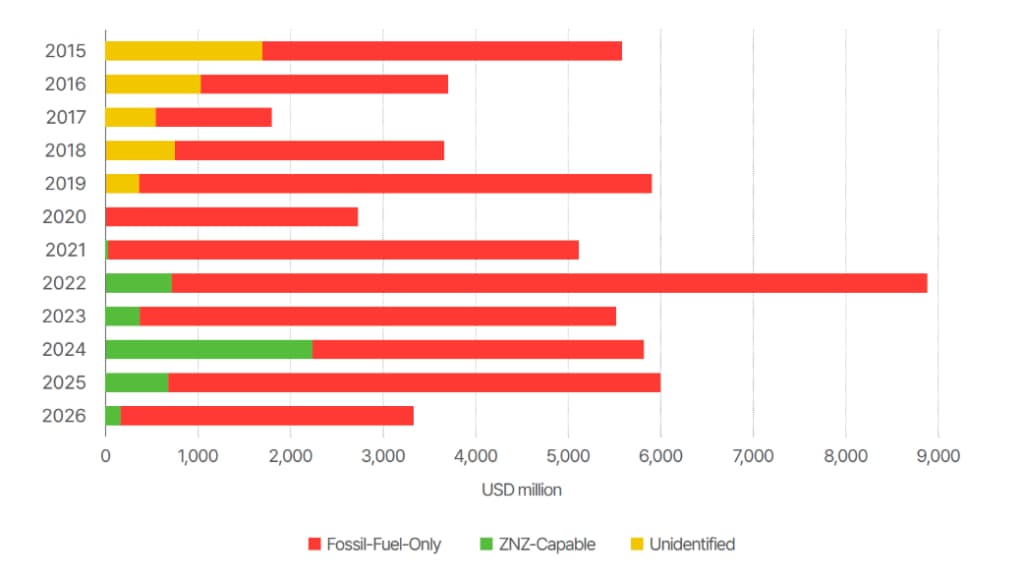
The report says five South Korean public financial institutions supplied about $58 billion in loans and guarantees between 2015 and 2026 for vessels built at domestic shipyards. Of that amount, $53.8 billion, or 93%, went to fossil-fuel-only vessels.
In 2025, public financing directed $5.3 billion to fossil-fuel-only vessels, compared with $660 million for ZNZ-capable vessels. Over the period studied, 1,593 vessels constructed at South Korean shipyards were examined, and 95% were exclusively capable of fossil fuel propulsion.
Even so, the report says South Korea has shown it can compete in alternative-fuel shipbuilding. Using Clarksons World Fleet Register data, SFOC said South Korean shipyards built 26 of the 59 ammonia- or methanol-capable vessels delivered globally in 2025, placing them second behind China.
SFOC argues that directing more finance toward cleaner vessels could help South Korean yards preserve long-term competitiveness as environmental standards tighten.
Frameworks and recommendations
The report says current financial governance systems are not sufficient because many concentrate on measuring and reporting emissions rather than stopping investments that could impede decarbonization. It also says existing OECD rules on ship export credits do not consider fuel type or emissions intensity.
Financiers must move beyond retrospective disclosure of their portfolio’s climate impact and take responsibility for what they finance.
Xu also urged public and private financial institutions to strengthen due diligence and limit support for newbuilds that can run only on fossil fuels. SFOC’s recommendations call for stricter climate-related due diligence on newbuilding finance, clear limits on fossil-fuel-only vessels, more transparent disclosure of financing policies and transaction-level data, and a redirection of capital toward low-carbon shipping and related infrastructure.
The findings arrive ahead of MEPC 85, while uncertainty over the adoption of the IMO Net-Zero Framework continues to raise questions about the regulatory and financial conditions needed to speed up shipping’s energy transition.