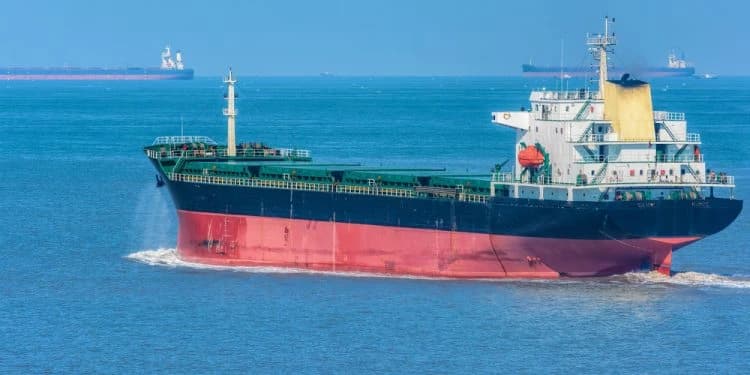
The Liberia Maritime Authority has issued an advisory warning ship operators, charterers and crews about the dangers linked to in-transit fumigation of cargo using phosphides. While the practice is often chosen because it shortens time in port, the authority said marine casualty incidents involving in-transit fumigation have increased significantly in recent years.
Two incidents prompted the warning
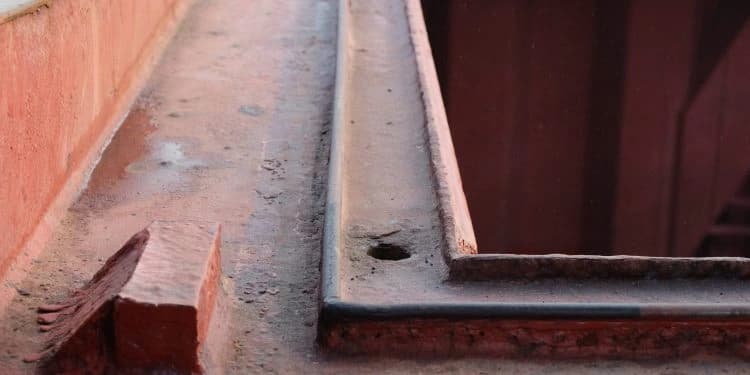
The advisory follows the administration’s recent investigation into two separate incidents, one of which ended in a death. In the first case, a crew member was fatally injured while trying to open a hatch entrance cover during the topping up process of Phosphide tablets. According to the authority, pressure from phosphine gas forced the hatch cover free from the hinged joint and it struck the crewmember.
In the second incident, smoke was observed coming from the cargo hold. The authority said crew members were involved in assisting the fumigation technician in both cases, including removing fumigation sleeves from the cargo holds.
Main hazards identified
The authority explained that Phosphide tablets are intended to react with moisture in the air and release phosphine gas, which is used to destroy insect infestation in cargo. It said the gas presents several serious hazards when handled improperly, especially if it escapes into accommodation spaces or remains trapped in cargo holds.
- Toxicity: phosphine is highly toxic to humans and animals, and inhalation can lead to respiratory problems, nausea and suffocation. The authority noted that there have been illnesses and fatalities among crew where phosphine-generating fumigants were used while personnel stayed on board.
- Flammability: phosphine gas becomes flammable when mixed with air at concentrations above 1.8% to 2% by volume, and it may ignite or explode under certain conditions. Some fumigants can also ignite or react violently on contact with water.
- Build-up of pressure: excess phosphine generation from moisture or water in cargo, including wet logs, can create pressure in enclosed spaces such as hatch entrances and cause hatch covers to lift suddenly and with considerable force.
The authority said both aluminium phosphide and magnesium phosphide are dangerous if not used correctly, and it stressed that proper procedures and precautions are essential to keep gas from entering accommodation areas. It added that training is necessary to protect crew and everyone involved in cargo operations and fumigation.
Compliance and risk controls
Owners, operators, masters and crew engaged in in-transit fumigation are being told to ensure full compliance with Regulation 3.6 of the IMSBC Code and to carry out fumigation in line with the relevant IMO guidance. The advisory also calls for the specific risks tied to phosphide-based fumigation to be built into the vessel’s risk assessment process, alongside suitable safety measures, monitoring and crew awareness.
Stakeholders are further urged to consider alternative operational arrangements when port restrictions stop the qualified shore fumigator-in-charge from boarding the vessel or safely removing fumigant residues. The Liberia Maritime Authority said such measures are needed to maintain compliance and safeguard crew health and safety.