US commission urges sanctions over China’s detention of Panama-flagged ships

A U.S. congressional commission has urged lawmakers to consider sanctions over China’s reported detention of hundreds of Panama-flagged commercial ships.
In its 2026 Annual Report to Congress, released on November 18, the U.S.-China Economic and Security Review Commission (USCC) called for action against what it described as China’s use of Port State Control (PSC) inspections and vessel detentions as a form of economic coercion against Panama.
The Commission recommended that Congress formally recognize the detentions as economic coercion and authorize the U.S. president to take appropriate economic countermeasures, potentially including the use of existing sanctions authorities.
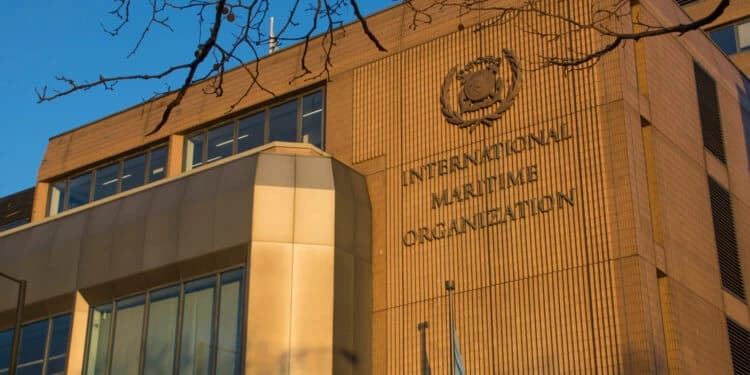
It also called for referrals to the International Maritime Organization (IMO) to document what it characterized as China’s use of port access to exert geopolitical pressure.
Additionally, the Commission recommended directing the Federal Maritime Commission (FMC) to investigate the detention pattern and report its findings within 90 days.
The recommendations are not binding and do not constitute new sanctions or enforcement measures.
Panama Canal port dispute
The recommendations follow tensions between China and Panama over the operation of two major terminals at opposite ends of the Panama Canal.
On January 30, 2026, Panama’s Supreme Court invalidated the legal framework supporting Hong Kong-based CK Hutchison’s concessions to operate the Balboa and Cristóbal terminals. The ruling followed an audit that raised concerns about the concession arrangements.
Following the decision, Panama appointed temporary operators for the facilities, while CK Hutchison challenged the ruling and pursued legal proceedings.
According to the USCC report, China subsequently increased inspections and detentions of Panama-flagged vessels calling at Chinese ports, with reports indicating that nearly 500 ships were detained following safety inspections.
The Commission also highlighted the commercial consequences of the measures, reporting that more than 80 vessels changed their registration in April, followed by another 150 in May, amid increased delays and operating costs.
However, the report acknowledged that Panama’s Ministry of Foreign Affairs announced an agreement with China over port access in July, stating that inspections and detentions had returned to more routine levels of fewer than 20 per month since May.
FMC raises concerns over vessel detentions
The Commission’s recommendations follow earlier warnings from the FMC regarding China’s treatment of Panama-flagged vessels.
In March, FMC Chair Laura DiBella expressed concerns that the increased inspections were linked to Panama’s decision to invalidate the port concessions, warning of potential consequences for international shipping and U.S. trade.
In a subsequent statement on July 7, DiBella reiterated concerns about the inspections, arguing that the detentions exceeded historical norms and could establish a negative precedent for international supply chains.
She also highlighted the FMC’s authority to investigate foreign government practices that create unfavorable conditions for shipping in U.S. foreign trade.
Such an investigation could lead to remedial measures, including actions affecting Chinese-controlled carriers operating in U.S. trade, she noted.
The FMC statements reflected DiBella’s individual views rather than formal findings of the Commission.
The USCC’s latest recommendations place the vessel detention dispute within wider U.S. concerns over China’s growing involvement in strategic port infrastructure across Latin America and the Caribbean.
The report also calls for greater scrutiny of Chinese-linked port facilities, including assessments of potential security vulnerabilities and risks to critical maritime infrastructure.