UK-EU ETS agreement to extend carbon pricing to international shipping from 2028

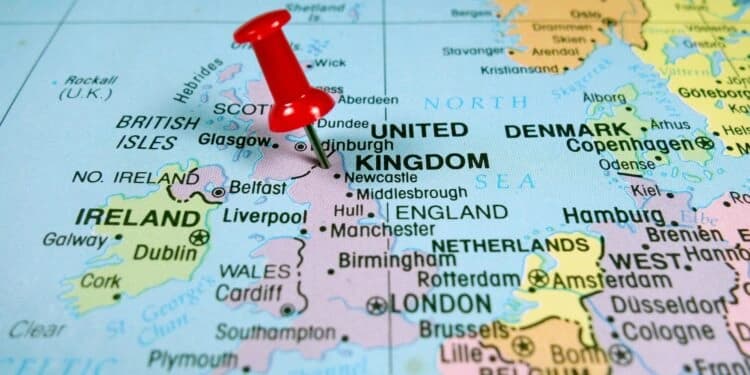
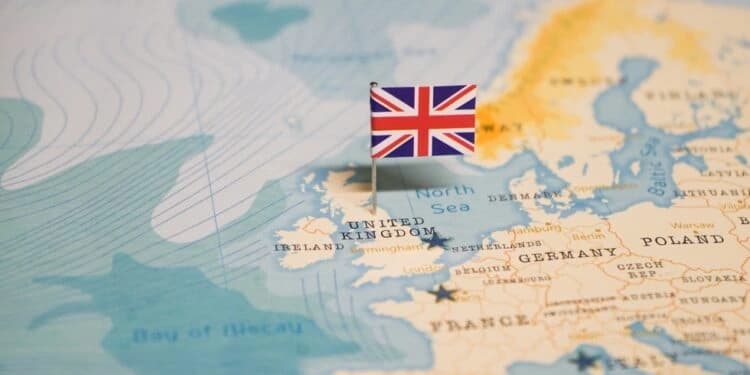
The UK and European Union have agreed to link their emissions trading systems, with new provisions extending UK carbon pricing to international shipping from 2028.
Announced on November 20, 2026, the agreement aims to connect the UK Emissions Trading Scheme (UK ETS) and the EU Emissions Trading System (EU ETS), creating a larger carbon market and aligning regulatory requirements across several sectors, including maritime transport.
The two parties are targeting January 1, 2028, for the link to become operational, subject to the necessary legislative and ratification procedures. Once implemented, emissions allowances issued under either system will be accepted for compliance in both jurisdictions, including obligations relating to the 2027 compliance year.
Expansion of maritime emissions coverage
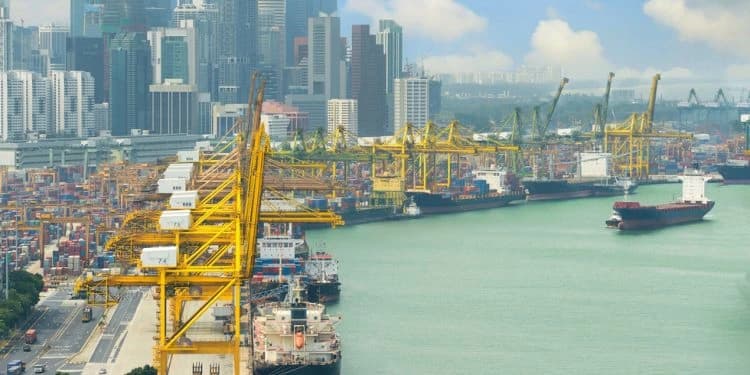
According to the UK government’s explainer, the agreement introduces significant changes to the maritime scope of the UK ETS.
Since July 1, 2026, the UK ETS has covered emissions from domestic voyages and in-port activities involving ships of 5,000 gross tonnage (GT) and above, subject to limited exemptions.
From January 1, 2028, the following provisions will apply:
- Domestic voyages: The UK ETS will continue covering 100% of emissions from voyages between UK ports and in-port activities.
- International voyages: The scheme will expand to cover 50% of emissions from voyages between UK ports and ports outside the UK.
- Smaller vessels: Offshore and general cargo vessels between 400 and 4,999 GT will face monitoring, reporting and verification (MRV) requirements without an obligation to surrender allowances.
- Irish Sea operations: The temporary 50% surrender derogation for voyages between Great Britain and Northern Ireland will be removed, resulting in full coverage of applicable emissions.
The agreement also provides for certain exemptions and temporary derogations, including provisions for eligible island ferry services and ice-class ships.
Alignment of compliance requirements
The UK ETS will align with EU ETS maritime rules covering emissions monitoring, reporting, verification and other operational requirements.
Shipping companies will continue reporting through the UK’s Managing Your UK ETS Service (METS). However, the agreement introduces additional requirements, including ship-level monitoring plans, verified emissions reports and UK Documents of Compliance that must be carried on board when visiting UK ports.
An ISM company assuming ETS obligations on behalf of a shipowner will also need to provide a mandate document signed by both parties.
The agreement provides for enforcement measures in cases of non-compliance, including the detention and expulsion of ships.
The UK and EU will also cooperate on developing a one-stop-shop approach to simplify administrative processes for shipping companies operating under both schemes.
Interaction with global IMO measures
The UK government also reaffirmed its support for international decarbonization measures through the International Maritime Organization (IMO).
Should a global emissions reduction measure be adopted at the IMO, the government intends to review how it interacts with UK carbon pricing requirements to avoid double charging and minimize administrative burdens.
The agreement represents another step toward closer alignment of European maritime emissions regulations, with implications for shipowners and operators managing carbon compliance obligations across UK and EU waters.