Brazil tightens ballast water and biofouling compliance
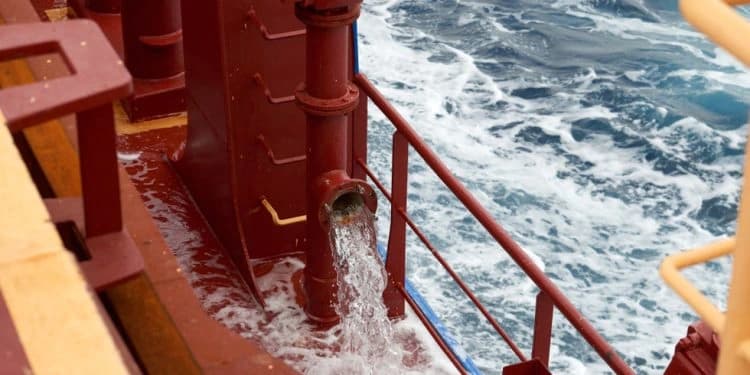
NorthStandard’s Brazil correspondent, Proinde P&I, has issued guidance on Brazil’s updated ballast water and biofouling regulations, outlining key compliance requirements for ship operators calling at Brazilian ports.
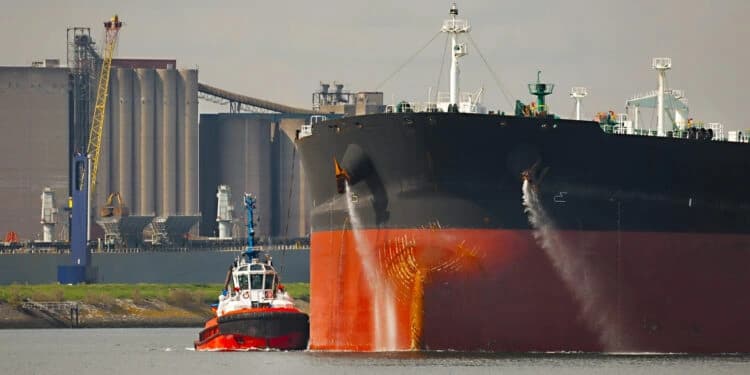
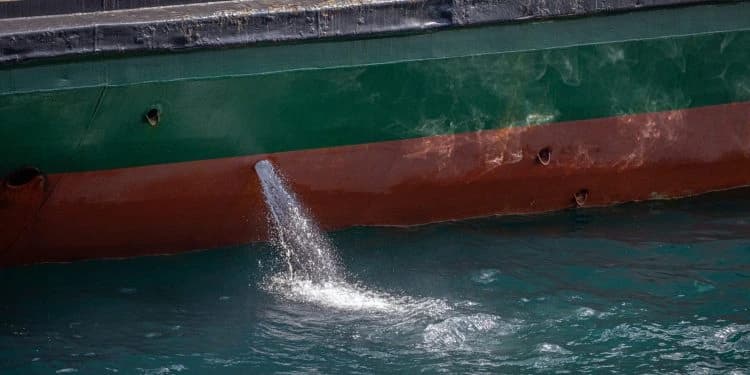
The guidance highlights the environmental and operational risks associated with the transfer of invasive aquatic species (IAS) and pathogens through ballast water discharge and hull biofouling. Beyond ecological impacts and threats to public health, biofouling can also significantly impair vessel performance by increasing hull resistance, leading to higher fuel consumption and elevated greenhouse gas emissions.
Brazil has recently strengthened its regulatory framework as it aligns more closely with International Maritime Organization (IMO) standards.
The Brazilian Navy’s Directorate of Ports and Coasts (DPC) has updated its environmental requirements under NORMAM-401/DPC, incorporating international conventions including the IMO Ballast Water Management (BWM) Convention (2004) and the Anti-Fouling Systems (AFS) Convention (2001), alongside stricter national measures.
A key change is the formal adoption of the IMO 2023 Biofouling Guidelines as mandatory for all vessels over 24 metres in length, subject to limited exemptions and exceptions.
To assist shipowners, masters, and operators in navigating this complex landscape, the revised guide dives into the updated protocols enforced by the DPC.
- Integrated Regulatory Framework: A detailed breakdown of NORMAM-401/DPC (updated in June 2026), which consolidates the management of ballast water (BWM), harmful anti-fouling systems (AFS), and the new mandatory biofouling regime.
- The 2028 Enforcement Window: Information on the DPC’s deferral of formal biofouling fines until 10 January 2028, explaining why statutory compliance remains mandatory now, even during this advisory transition period.
- Documentary Readiness: Step-by-step requirements for ship-specific documentation, including the Ballast Water Management Plan (BWMP), Biofouling Management Plan (BFMP), and the critical Biofouling Record Book (BFRB).
- Biogeographical Zoning: Guidance on Brazil’s three distinct marine regions and the mandatory underwater inspection protocols required when transiting between them.
- Dual-Authority Oversight: Details the concurrent jurisdictions of the Navy (marine protection and maritime safety) and ANVISA (port health authority).
- Underwater Husbandry Constraints: An analysis of the practical challenges at Brazilian ports, from the lack of approved vendor frameworks to the strict 100% debris capture requirements for reactive cleaning.
- Penalties & Liability: A summary of the financial exposures for non-compliance, with fines reaching up to BRL 50 million.
Although the Directorate of Ports and Coasts (DPC) has officially deferred the enforcement of formal non-compliance fines and sanctions until January 2028, this grace period must not be misconstrued as an exemption from the underlying statutory obligations. The operational standards, record-keeping mandates, and pre-arrival reporting rules under NORMAM-401/DPC have been fully active since June 2025.
…Proinde P&I highlighted.