IMO urged to clarify ballast water rules for challenging water conditions
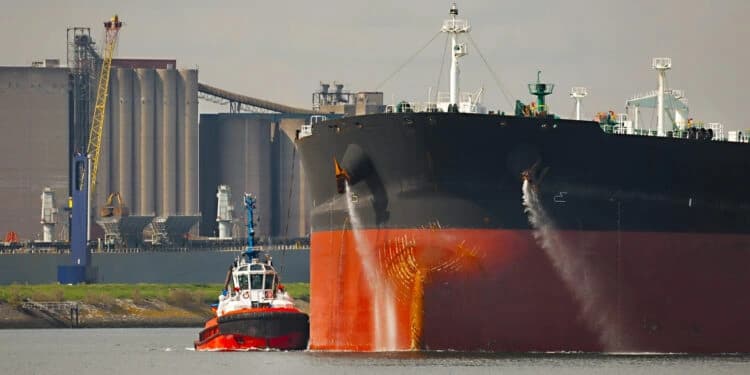
BIMCO, INTERTANKO, the Republic of Korea and the Marshall Islands have jointly submitted proposals to the International Maritime Organization (IMO) seeking clearer ballast water management guidance for ships operating in challenging water quality conditions, including revised procedures for system bypass, decontamination and port State control inspections.
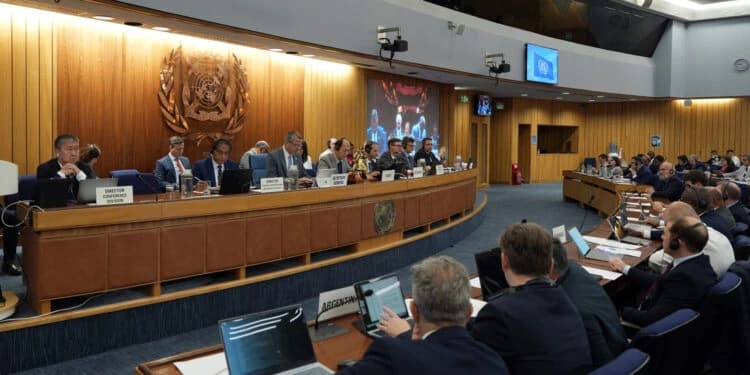
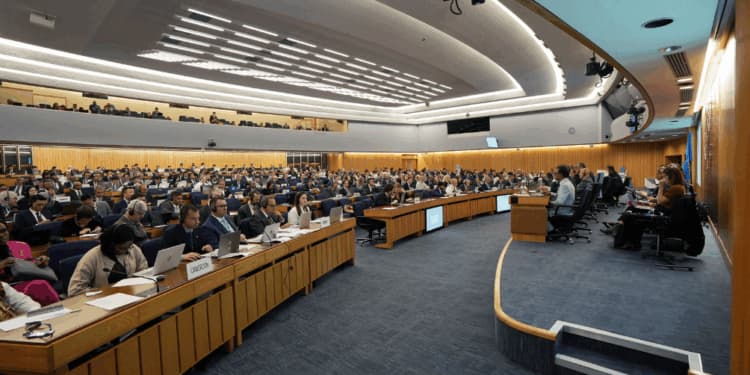
The proposals, outlined in submission MEPC 85/4/1, will be considered at the upcoming 85th session of the Marine Environment Protection Committee (MEPC 85) set to take place November 30 to December 3, 2026. They aim to address recurring operational difficulties experienced by ships in ports, rivers and other locations where high sediment concentrations, turbidity and poor water clarity can affect ballast water management systems (BWMS).
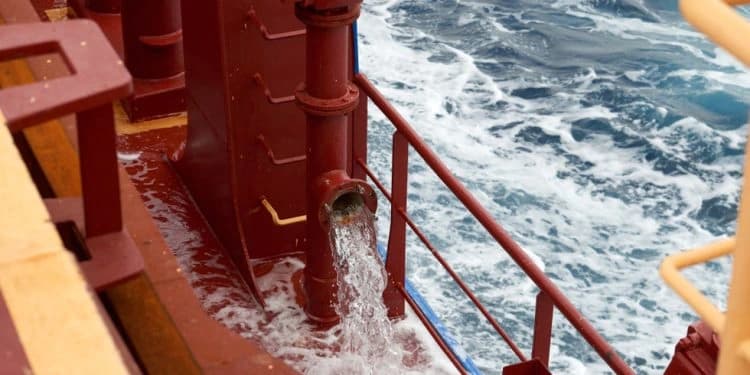
Even properly installed and maintained systems can encounter clogged filters, reduced treatment capacity, alarms and automatic shutdowns, potentially disrupting ballasting and cargo operations.
The challenges were highlighted in BIMCO’s 2025 Ballast Water Management Survey, which gathered responses representing more than 3,200 ships. Operators reported recurring water quality difficulties, increased crew workload and uncertainty over the acceptance of contingency measures.
Clearer procedures for crews facing treatment difficulties
The submission proposes revising the existing IMO Interim Guidance on challenging water quality, adopted under Resolution MEPC.387(81), to provide more practical procedures for managing operational limitations. Key proposed changes include:
- Pre-arrival assessment: Introduce an integrated flow chart to help crews identify challenging conditions, assess BWMS performance, implement troubleshooting measures and consider alternatives before bypassing treatment equipment.
- Operational limitations: Clarify the distinction between technical limitations of the BWMS and the ship’s operational requirements, recognizing that very low treatment flow rates may not always be safe or practicable during cargo operations.
- Pre-emptive bypass: Allow consideration of bypass only in exceptional circumstances supported by documented evidence of recurring water quality problems. Such arrangements would require procedures in the approved Ballast Water Management Plan (BWMP), consideration of practicable alternatives and prior agreement between the flag Administration and relevant port States.
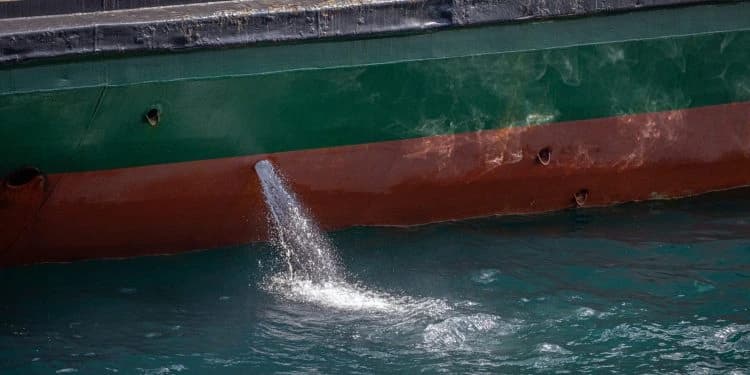
- Reactive bypass: Maintain provisions allowing crews to bypass treatment equipment when difficulties arise during ballasting, without prior consultation with the Administration or next port State, provided applicable procedures are followed and affected receiving port States are notified before arrival.
Port State control and decontamination requirements
The submission also seeks greater consistency in how port State control officers assess BWMS-related incidents.
Under the proposed wording, alarms, automatic shutdowns, reduced flow rates and bypass events associated with challenging water quality should be examined in their operational context, taking account of the ship’s approved management plan, manufacturer instructions and Ballast Water Record Book.
Importantly, such events should not automatically be treated as evidence of non-compliance when the BWMS is operating as designed and the crew has followed the applicable procedures.
The proposals also address the difficulties ships face when restoring compliance after bypassing treatment equipment.
Ships would remain responsible for ensuring that subsequent ballast water discharges meet the Convention’s D-2 performance standard. Decontamination procedures may involve ballast water exchange, treatment and flushing of affected tanks and piping.
Recognizing the limitations faced by vessels operating in enclosed or semi-enclosed seas, the submission encourages port States to identify practicable ballast water exchange options and facilitate decontamination while minimizing unnecessary delays and voyage deviations.
IMO decision remains pending
The proposals follow discussions at MEPC 84, where there was insufficient support to revise the existing guidance. Subsequent informal intersessional work led by the Republic of Korea, with the Marshall Islands as co-leader, produced the consolidated submission.
However, several provisions remain subject to further consideration, including aspects of operational demand, troubleshooting and pre-emptive bypass.
The submission maintains that bypassing a BWMS must remain a last resort and that ships should continue treating as much ballast water as practicable to minimize environmental risks.
It also calls for further scientific evidence and operational experience concerning the identification of challenging water quality and the effectiveness of decontamination procedures, particularly tank flushing.
MEPC 85 will decide whether to advance the proposed revisions, which seek to provide crews with clearer operational guidance while promoting more consistent implementation of ballast water requirements across ports and flag States.