Philippines investigates alternatives to traditional onboard training
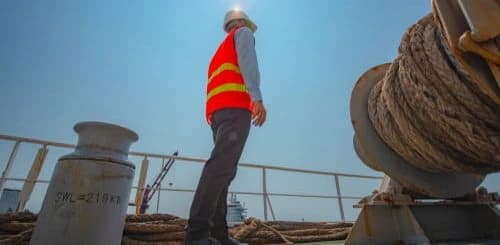
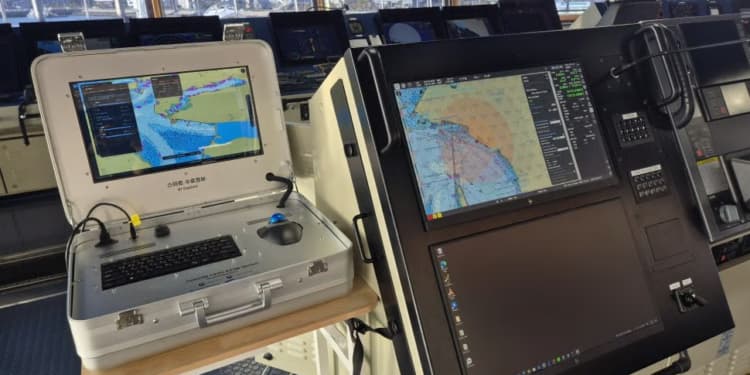
The Philippines is examining whether simulator-based training could partially replace mandatory seagoing service as part of efforts to modernize seafarer education.
The Maritime Industry Authority (MARINA) presented the proposal during a research forum on 9 November. As stated, the initiative forms part of broader research into maritime training, technological developments and the changing skills requirements of Filipino seafarers.
The research explores how simulation could contribute to maritime education and competency development, potentially offering an alternative approach to fulfilling certain practical training requirements. However, the proposal remains under examination, with no changes to existing seagoing service requirements announced.
Research focuses on emerging maritime skills
Alongside the simulator-based training study, MARINA presented three additional research initiatives addressing workforce development and technological change:
- Autonomous shipping: A preliminary assessment of the skills and competencies Filipino seafarers may need to operate maritime autonomous surface ships (MASS).
- Domestic employment: Research into strengthening employment opportunities for graduates of senior high school maritime programs.
- Green AI: An examination of artificial intelligence applications and their potential role in the Philippine maritime workforce.
MARINA’s Standards of Training, Certification and Watchkeeping (STCW) Office also participated in the forum. Presca Lee Lugo, Maritime Education and Training Standards Supervisor at MARINA’s STCW Office, emphasized the importance of translating research findings into practical improvements in maritime policies, training programs and educational standards.
Similarly, STCW Office Executive Director Samuel Batalla stressed that research should lead to meaningful actions that support improvements and innovation across the sector.
Potential implications for seafarer training
The consideration of simulator-based alternatives raises questions about how practical competencies should be developed and assessed as maritime operations become increasingly digitalized.
Under the existing STCW framework, approved seagoing service remains an important component of certification, while simulators are already used for training and competency assessment. Any future recognition of simulator hours as an alternative to mandatory sea service would therefore need to be considered within applicable certification requirements and international standards.
MARINA has not announced a timetable for introducing such arrangements or specified how much seagoing service could potentially be substituted.
The research reflects ongoing efforts to prepare Filipino seafarers for emerging operational requirements while assessing how maritime education and training systems could adapt to technological developments.