UK opens consultation on maritime fuel regulation from 2030
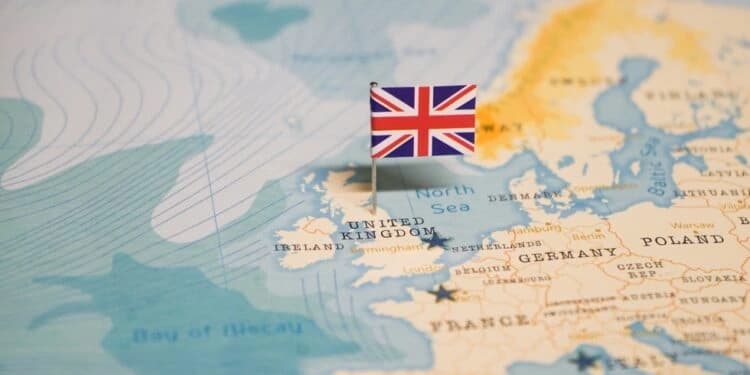
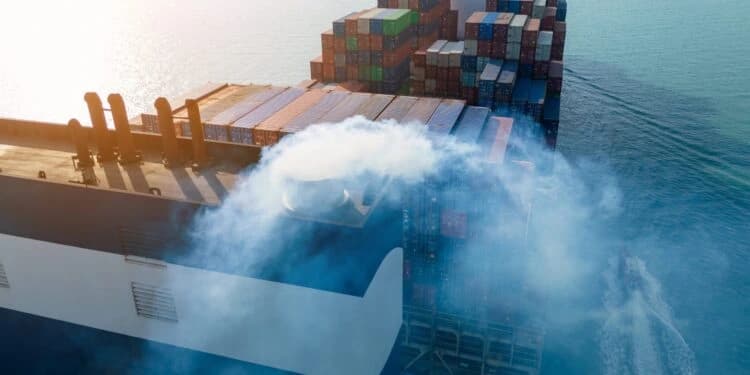
The UK government has launched a consultation on a proposed maritime fuel regulation aimed at reducing greenhouse gas emissions from shipping and accelerating the adoption of alternative fuels and energy sources.
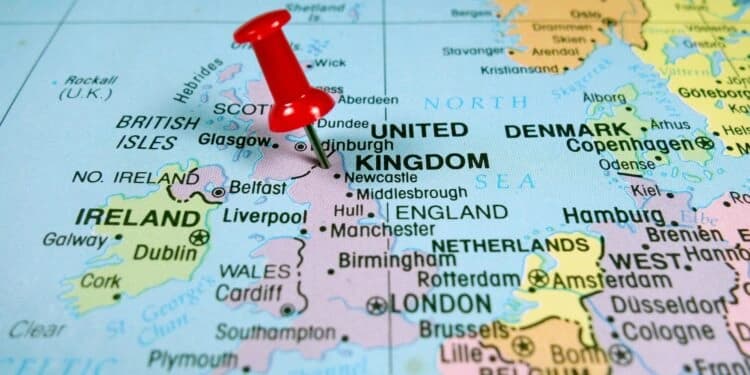
Published on November 16, by the Department for Transport (DfT), the consultation, titled Setting the direction of a UK maritime fuel regulation, outlines potential requirements for ships calling at UK ports, with implementation expected from 2030.
The proposed framework would establish progressively tightening limits on the lifecycle greenhouse gas (GHG) emissions intensity of energy used onboard ships, rather than imposing absolute emissions limits or mandating specific fuels.
The consultation forms part of the UK’s Maritime Decarbonisation Strategy and is intended to complement existing carbon pricing measures, including the UK Emissions Trading Scheme (UK ETS), which was extended to domestic maritime voyages in July 2026.
Proposed scope and requirements
Under the government’s preliminary proposals, the regulation would apply at the ship level rather than to fuel suppliers, placing responsibility for compliance on those operating vessels.
The DfT has outlined several preferred approaches for the proposed framework:
- Vessel size: The regulation would initially apply to ships of 5,000 gross tonnage (GT) and above, while the potential inclusion of vessels between 400 and 5,000 GT would remain under review.
- Voyage coverage: The requirements would apply to all energy used on domestic UK voyages and 50% of energy used on international voyages to and from UK ports.
- Emissions at berth: Energy consumed by ships while at berth in UK ports would also fall within the proposed requirements.
- Lifecycle emissions: Compliance would be measured using the annual average GHG emissions intensity of energy used for propulsion and onboard equipment.
- Compliance flexibility: The government proposes including at least one mechanism to allow flexibility in meeting the requirements.
- Alternative fuels: Specific measures would be introduced to encourage the uptake of advanced fuels and energy sources, including options such as e-methanol, e-ammonia and electricity.
The government has not yet determined the rate at which permitted GHG emissions intensity would decrease over time. Options under consideration include aligning with the EU’s FuelEU Maritime framework, following the proposed IMO mid-term measures, or establishing a separate UK reduction trajectory.
Alignment with international regulations
The consultation acknowledges the importance of international cooperation and the need to minimize regulatory complexity for shipowners and operators.
According to the DfT, the UK continues to support the development of global measures through the International Maritime Organization (IMO). However, uncertainty surrounding the timing and adoption of the IMO’s proposed mid-term measures has reinforced the government’s intention to develop its domestic framework.
The consultation also considers the potential for compliance mechanisms such as pooling, banking, borrowing and certificate trading, although no preferred approach has been selected.
These mechanisms could allow shipping companies to manage compliance across fleets and investment cycles, recognizing that the transition to alternative fuels will not occur simultaneously across all vessels.
Fuel availability and port infrastructure challenges
Beyond the regulatory requirements, the consultation seeks evidence on the availability of alternative maritime fuels, bunkering infrastructure and the readiness of UK ports to support the energy transition.
The government recognizes that the effectiveness of the proposed regulation will depend on sufficient alternative fuel production and the development of suitable global supply networks.
Challenges identified include competition for low-carbon fuels from other sectors, the higher costs of emerging technologies and the need for new storage, handling and bunkering arrangements.
The consultation also examines whether additional measures may be required to encourage shore power infrastructure and reduce emissions from ships while at berth.
Consultation deadline
The UK government has emphasized that the proposals represent preliminary policy positions rather than final regulatory decisions. Stakeholders are invited to provide feedback on the proposed scope, compliance arrangements, potential economic impacts and infrastructure requirements.
The consultation will remain open until February 22, 2027, after which the government will review responses and publish its findings to inform the development of the regulatory framework.