Korean university completes AI autonomous navigation sea trials
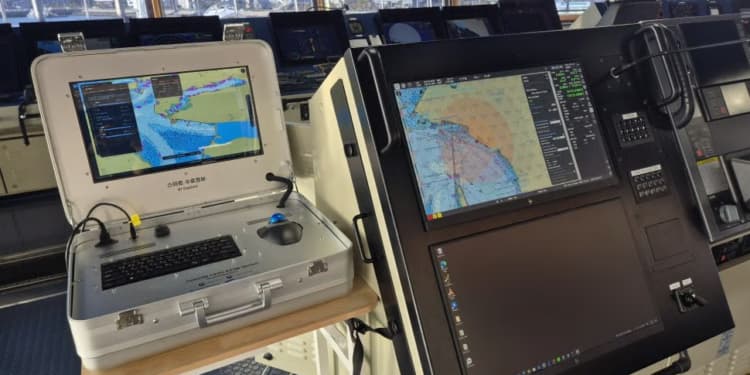
Mokpo National Maritime University has successfully tested hydrographic information models with AI Captain aboard a training vessel during sea trials.
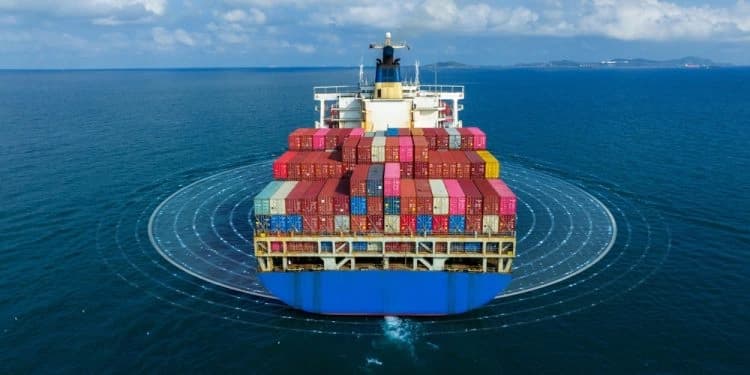
The South Korean university announced on November 11 that the trials were conducted on November 10 and 11 aboard its training vessel Segyero, using a university-developed hydrographic information model and the artificial intelligence (AI)-based autonomous navigation system known as AI Captain.
The trials formed part of a government-funded research project focused on developing hydrographic information standards for smart ships. The project aims to assess whether the models can be integrated with Samsung Heavy Industries’ autonomous navigation system (SAS) and eventually applied to commercial autonomous vessels.
Before the sea trials, researchers used Kongsberg simulation technology to assess whether information generated by the models could support route planning and determine areas suitable for safe navigation.
During the subsequent trials, the research team confirmed that hydrographic information could be received and updated during actual navigation, while the connected systems and equipment operated reliably.
Key technologies tested
The university developed several hydrographic information models intended to improve navigation safety and support autonomous decision-making:
- Dynamic overhead clearance (DOHC): Determines whether a vessel can safely pass beneath bridges by assessing available vertical clearance.
- Aid-to-navigation swing radius: Identifies the potential movement range of buoys and other floating navigational aids.
- Integrated oceanographic and weather index: Combines environmental conditions, including waves and currents, to assess navigational risks.
- Maritime traffic density and flow: Identifies areas of high vessel concentration and prevailing traffic movements to support route planning.
According to the university, work is also underway to incorporate its DOHC model into the International Hydrographic Organization’s (IHO) S-129 standard.
Professor Lim Nam-gyun, the project’s lead researcher, emphasized the importance of developing and validating autonomous navigation technologies as artificial intelligence becomes increasingly integrated into shipping operations.
As the transition to artificial intelligence accelerates across the maritime sector and the era of autonomous vessels approaches, it is essential to take the lead in securing key technologies and conducting sea trials to validate them
… he said.
The research demonstrates the potential for combining hydrographic information with AI-based navigation systems to support route assessment and navigational decision-making aboard future autonomous vessels.