UK P&I highlights insurance and compliance risks of ethanol as marine fuel

UK P&I has identified emerging insurance, contractual and regulatory risks associated with ethanol as a marine fuel, highlighting potential liabilities as commercial bunkering operations expand.
In its Risk Focus: Ethanol as a Marine Fuel, published on November 19, the Club examines how ethanol’s introduction could affect shipowners, particularly regarding fuel quality, onboard blending, machinery compatibility and sustainability certification.
The report, follows several recent ethanol bunkering operations involving container vessels, demonstrating growing commercial interest in the fuel. However, UK P&I emphasizes that ethanol remains at an early stage of maritime adoption and that experience with methanol-powered vessels cannot automatically be applied to ethanol operations.
Insurance and contractual liabilities
According to the Club, ethanol introduces potential P&I exposures involving crew injuries, bunkering incidents, fires, pollution and machinery failures.
Although damage confined to machinery or fuel systems would generally fall under Hull and Machinery insurance, related incidents could generate P&I liabilities if they result in collisions, groundings, cargo damage or pollution.
The Club also highlights potential contractual disputes between shipowners, charterers and fuel suppliers concerning fuel suitability, machinery damage, off-hire periods and debunkering costs.
Particular attention is given to onboard fuel blending, where responsibility for the final fuel’s quality and performance may be difficult to establish.
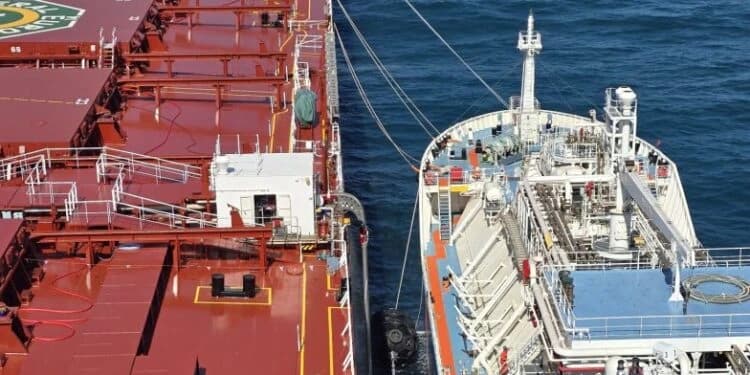
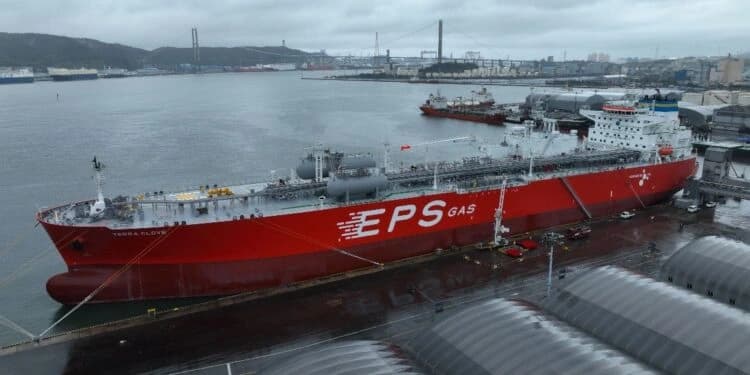
UK P&I refers to the May 2026 ethanol bunkering operation involving Eco Levant in Rotterdam, during which methanol and ethanol were supplied separately and blended onboard.
The Club explains that even when individual fuels meet their specifications, the finished blend may raise questions about engine compatibility, testing, certification and compliance with contractual requirements.
It therefore recommends that the parties involved clearly establish responsibility for the blending process, fuel specifications and subsequent verification.
Sustainability certification presents additional risks
Beyond technical compatibility, UK P&I warns that ethanol’s regulatory value depends on its production pathway and supporting sustainability documentation.
Two ethanol supplies may perform similarly in the same engine while having substantially different lifecycle greenhouse gas emissions because of variations in feedstocks, production processes and certification. This distinction is particularly relevant under FuelEU Maritime, which assesses fuel emissions on a well-to-wake basis.
The Club explains that incomplete or disputed certification could prevent shipowners from obtaining the expected regulatory or commercial benefits, even when the fuel performs satisfactorily onboard.
Such circumstances could result in contractual disagreements, regulatory compliance issues or disputes potentially involving Defence insurance cover.
Key considerations for shipowners
- Confirm compatibility: Obtain confirmation from engine manufacturers and assess vessel fuel systems specifically for ethanol.
- Clarify contractual responsibilities: Establish who is responsible for fuel selection, specifications, onboard blending and any consequences of non-compliance.
- Preserve technical evidence: Retain representative fuel samples, bunker delivery documentation, certificates of analysis and relevant engine and tank records.
- Verify sustainability credentials: Obtain and maintain documentation supporting the fuel’s lifecycle emissions, origin and certification.
- Review operational arrangements: Assess bunkering procedures, emergency response systems and crew training, involving classification societies and Flag States early in the process.
The Club concludes that ethanol should be introduced through a structured management-of-change process supported by appropriate technical, contractual and documentary controls.
While ethanol has yet to establish a widespread role in shipping, UK P&I considers the growing experience from recent trials and commercial bunkering operations an indication that it is becoming a credible potential marine fuel option.