IEA forecasts sharp rise in marine biodiesel demand under IMO rules

Global demand for marine biodiesel could increase significantly by 2031, with future growth largely dependent on the adoption of international emissions regulations.
The International Energy Agency (IEA), in its Renewables 2026 report, forecasts that marine biodiesel demand will more than double by 2031 under existing policy conditions. However, implementation of the International Maritime Organization’s (IMO) proposed Net-Zero Framework could accelerate demand considerably, highlighting the influence of regulatory decisions on shipping’s transition to lower-emission fuels.
According to the IEA’s projections, marine biodiesel consumption could increase from just under 1 billion liters annually in 2025 to nearly 2 billion liters by 2031 under its main scenario, which does not assume implementation of the IMO Net-Zero Framework.
Under an accelerated scenario that includes potential implementation of the framework and other announced policy measures, marine biodiesel demand could exceed 12 billion liters annually by 2031.
The difference between the two scenarios demonstrates how international emissions requirements could influence investment, fuel production and bunkering demand over the coming years.
FuelEU Maritime drives near-term demand
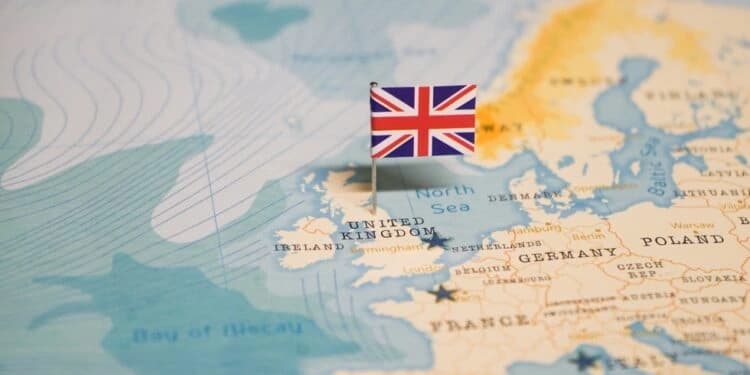
The IEA identifies the European Union’s FuelEU Maritime regulation as the principal driver of marine biodiesel demand under its main scenario. The regulation requires ships within its scope to progressively reduce the well-to-wake greenhouse gas intensity of the energy they use, encouraging the uptake of fuels with lower lifecycle emissions.
Europe is expected to account for approximately 80% of the projected growth in marine biodiesel demand through 2031, reflecting the impact of FuelEU Maritime on fuel procurement and compliance strategies.
Demand is also expected to increase in Asia-Pacific, particularly at bunkering hubs serving vessels trading to European ports.
The IEA’s findings suggest that biodiesel will remain an important near-term option for reducing shipping emissions as the sector works to develop alternative fuel production and supply infrastructure.
IMO Net-Zero Framework could reshape demand
The report identifies the possible adoption of the IMO Net-Zero Framework as a major factor influencing future demand for renewable marine fuels. The framework is intended to establish global requirements for reducing the greenhouse gas intensity of energy used by ships. Its adoption vote, originally expected in 2025, was postponed to December 2026.
If implemented, the framework could encourage greater use of lower-emission fuels across international shipping, extending demand beyond vessels operating under regional regulatory requirements.
Under the IEA’s accelerated scenario, Asia-Pacific could account for a substantial share of additional marine biodiesel demand, reflecting the region’s importance as a major bunkering and shipping hub.
However, the higher-demand scenario is conditional on policy implementation and should not be interpreted as the IEA’s baseline forecast
Sustainability standards remain essential
Beyond fuel availability, the IEA highlights the importance of verifying the environmental performance of liquid biofuels.
Although biofuels can deliver significant greenhouse gas emissions reductions, their lifecycle performance varies according to feedstock, production methods and supply chains.
The agency notes that performance-based standards and greenhouse gas thresholds already cover approximately 80% of global liquid biofuel demand.
However, robust sustainability frameworks remain necessary to verify emissions savings and address potential impacts on land use, water resources and biodiversity.