IEA World Energy Outlook: Oil to remain shipping’s main energy source through 2035
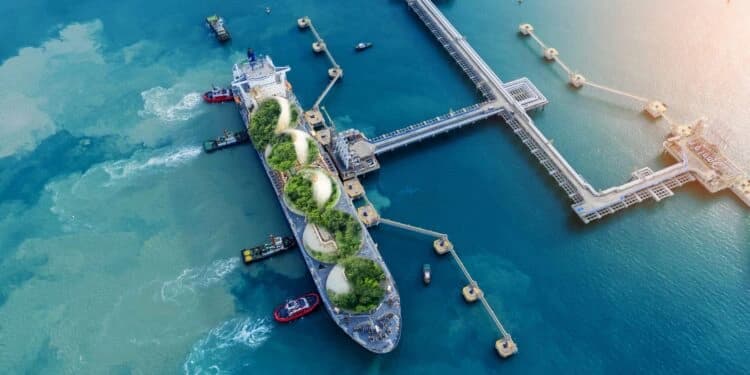
The IEA warns that prolonged disruption in the Strait of Hormuz could reshape global energy trade and shipping fuel demand.
The International Energy Agency’s (IEA) World Energy Outlook 2026, released on November 19, examines how the ongoing Middle East conflict could change energy supply routes, oil and LNG demand, and the global shift toward alternative energy sources.
According to the report, the crisis has resulted in cumulative losses of 2.8 billion barrels of oil and 60 billion cubic meters of natural gas supply from the Gulf. Its effects have been particularly significant for Asian importers, which received approximately 80% of the oil and almost 90% of the LNG passing through Hormuz before the conflict.
As recent attacks on commercial vessels continue to highlight the security risks facing shipping, the IEA examines how governments could respond by diversifying suppliers, developing alternative trade routes and accelerating electrification.
The Hormuz crisis has delivered a huge shock to the system. While the energy sector and the global economy have shown considerable resilience, the longer the crisis lasts, the deeper the effects will be. And I don’t see any credible pathway for the energy world to return to the way it was before
… said IEA Executive Director Fatih Birol.
Key findings for shipping
#1 Oil trade could shift away from the Strait of Hormuz
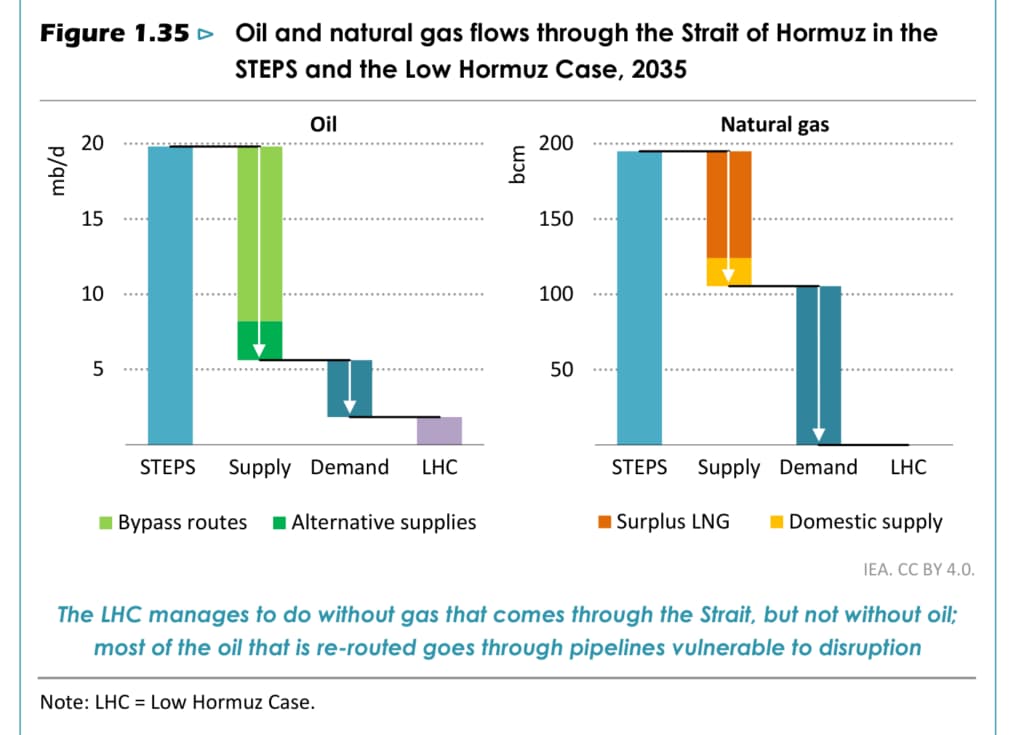
More than 20 million barrels per day (mb/d) of oil passed through Hormuz in 2025, accounting for approximately 25% of global seaborne oil trade.
Under the IEA’s Low Hormuz Case, new pipelines, alternative suppliers and reduced import demand could lower oil flows through the Strait to 8.5 mb/d by 2030 and less than 2 mb/d by 2035.
However, the IEA stresses that the Middle East would remain the world’s largest oil-exporting region, while alternative routes could also face security risks.
#2 LNG markets face growing uncertainty
Around 20% of global LNG trade passed through Hormuz in 2025, with limited options for bypassing the waterway.
Meanwhile, global LNG export capacity could increase from approximately 610 billion cubic meters (bcm) in 2025 to 940 bcm by 2035.
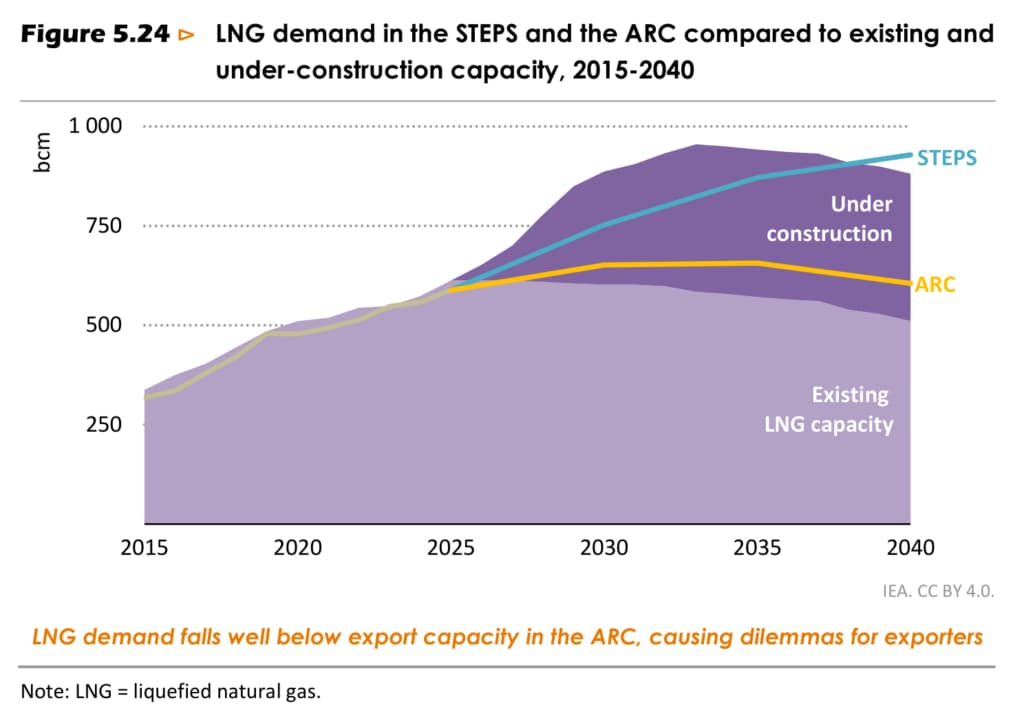
However, faster electrification and efforts to reduce import dependence could weaken LNG demand. In the IEA’s Stated Policies Scenario, available export capacity exceeds demand by around 70 bcm in 2035.
#3 The Strait of Malacca could become more important
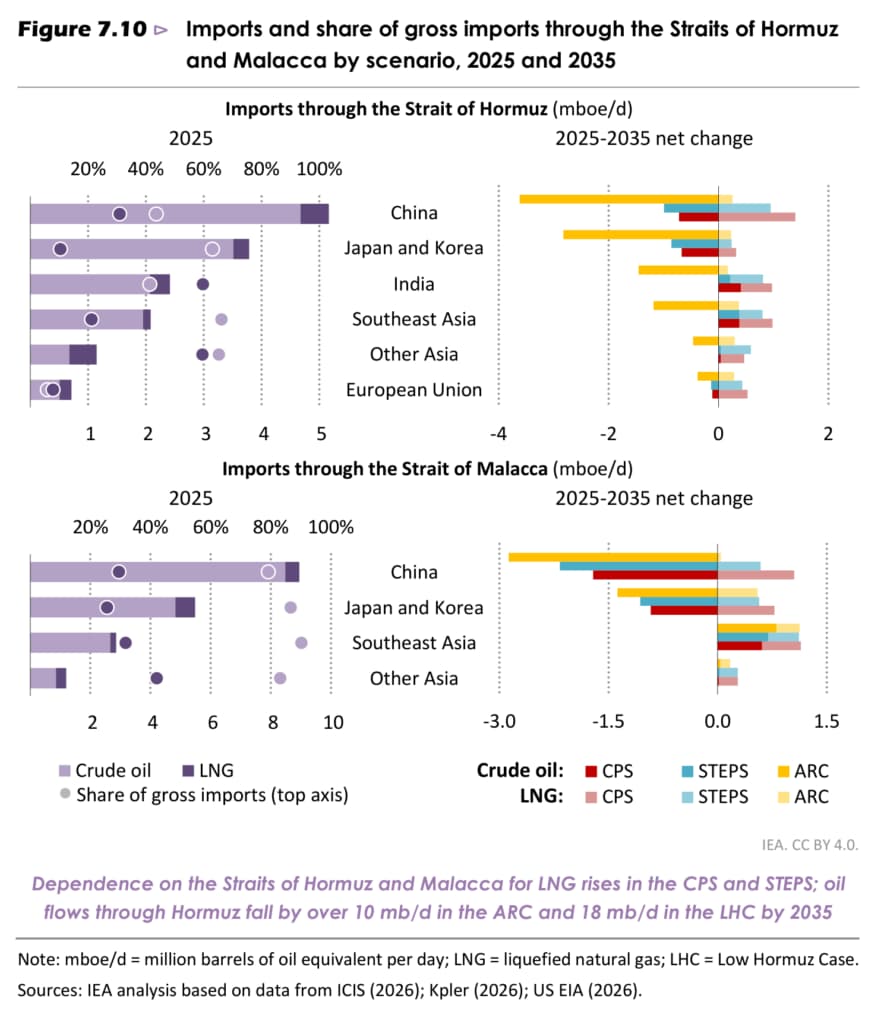
The IEA projects that LNG flows through the Strait of Malacca could increase from approximately 95 bcm today to 200–250 bcm by 2035 under its current- and stated-policy scenarios.
The report highlights congestion, collision risks and limited alternative routes as important vulnerabilities for energy shipping in Asia.
#4 Shipping will remain heavily dependent on oil
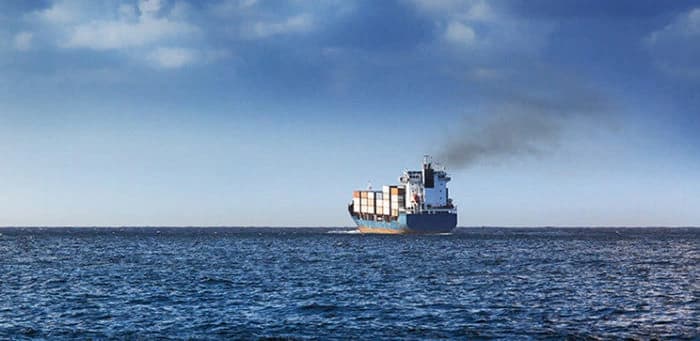
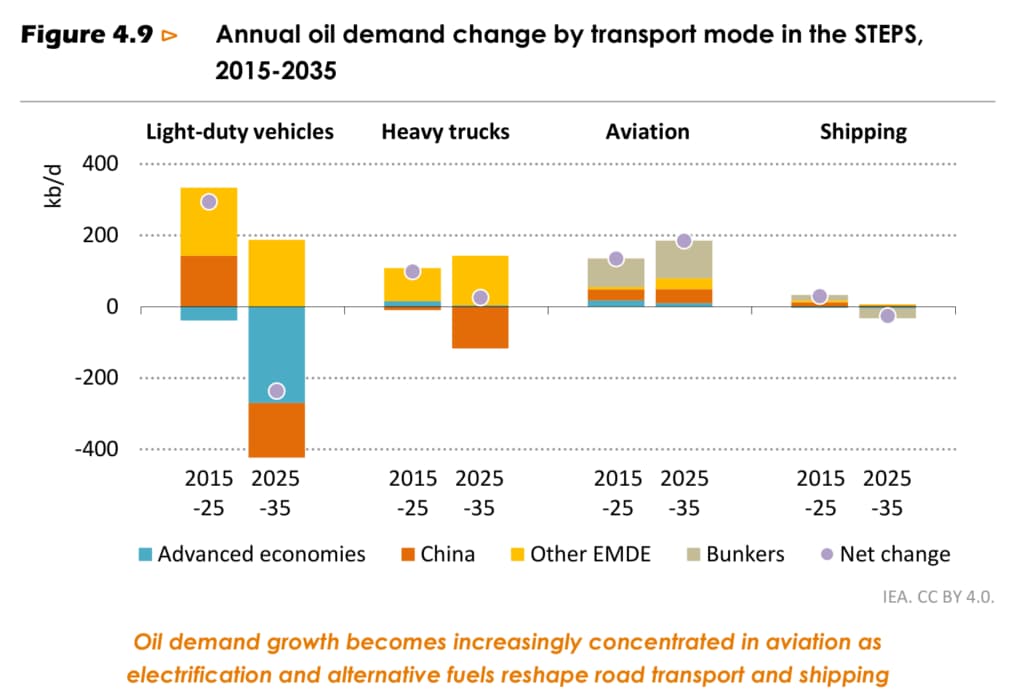
Despite the growing adoption of alternative fuels, the IEA expects oil to remain shipping’s main energy source through 2035.
In its Stated Policies Scenario, shipping’s oil demand declines by approximately 5% by 2035, while its share of energy consumption falls from around 92% today to just over 80%.
LNG accounts for 16% of shipping’s fuel mix in 2035, while bioenergy, methanol, hydrogen and ammonia together represent 3%. Electricity accounts for less than 1%.
These projections come as DNV reports growing orders for alternative-fueled vessels, particularly LNG-powered ships.
Energy security and electrification gain importance
Beyond shipping, the Outlook identifies growing interest in domestic energy resources, renewables and nuclear power as countries seek to reduce their dependence on imported fuels.
Global electricity demand is expected to accelerate, with electricity’s share of final energy consumption approaching 30% by 2035 across the IEA’s exploratory scenarios.
The findings coincide with wider efforts to accelerate electrification, including the COP31 initiative targeting at least 20% electricity use in international shipping by 2035. That initiative represents a separate ambition rather than an IEA projection.
The IEA also warns that reducing dependence on fossil fuel imports could create new vulnerabilities, particularly where critical mineral and clean technology supply chains are concentrated.
Why this matters
For maritime organizations, the report highlights how changing energy policies could affect tanker and LNG trade, vessel deployment, bunkering requirements and long-term investment decisions.
However, the IEA emphasizes that its scenarios are not forecasts. Their purpose is to explore how different government policies and responses to the crisis could influence future energy markets.
The pressures of the current crisis must not obscure the choices that will shape energy security, sustainability and prosperity for the decades to come
… Dr. Birol said, adding that countries will pursue different pathways, reflecting their resources, circumstances and priorities. But all have a stake in building a more secure, affordable and sustainable energy system – and in effective cooperation to achieve that goal.