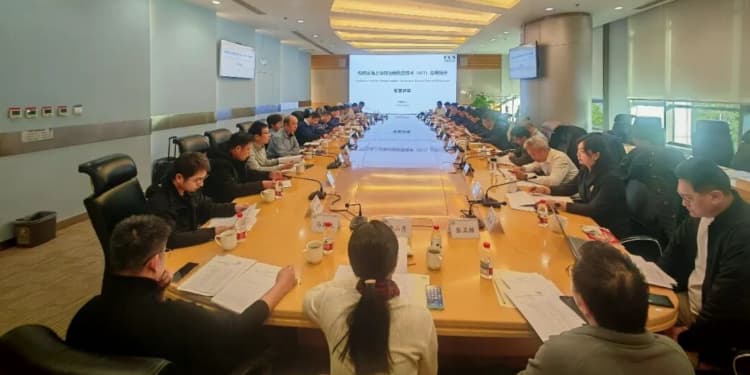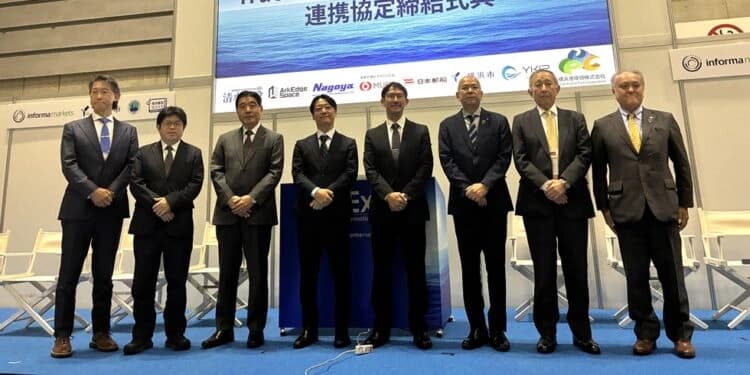
China has started an intelligent shipping demonstration project in the Qiongzhou Strait, using the busy ferry corridor to trial smart navigation tools, collision avoidance functions and systems aimed at improving ferry safety. The initiative was officially launched on November 19 in Haikou, Hainan Province, and is intended to advance intelligent shipping technologies while raising the safety and efficiency of maritime transport across the strait.
Project launched by major shipping and technology groups
According to the announcement, the project was launched by COSCO Shipping Group and will be carried out by Hainan Port & Shipping together with COSCO Shipping Technology. The cooperation brings maritime operators and technology developers into the same operational setting, allowing intelligent systems to be developed and tested under real service conditions rather than in isolation.
The Qiongzhou Strait is a key transport link between Hainan Island and mainland China, with frequent passenger and roll-on/roll-off (ro-ro) ferry services. Because the route handles heavy traffic and follows fixed sailing patterns, it offers a practical environment for testing tools designed to improve navigation, vessel coordination and traffic management.
Operational targets include navigation support and collision avoidance
The demonstration will concentrate on intelligent navigation for vessels sailing fixed routes, including support for berthing and unberthing. It also aims to improve situational awareness, strengthen collision avoidance, and introduce equipment maintenance systems that can help sustain vessel reliability over time.
Additional work under the project is expected to address safe navigation in adverse weather and better ferry traffic management when demand is high. By linking onboard intelligent systems with shore-based coordination capabilities, the project is meant to support operational decision-making and improve the efficiency of passenger and vehicle transport services.
Seafarer experience is built into the programme
The project announcement said the experience of ship masters and chief engineers will be included in the development process so that the systems reflect the real requirements of vessel operations. That practical input is intended to help ensure the technology is aligned with day-to-day maritime tasks and operating conditions.
The initiative will also back cooperation on technical standards, data exchange and regulatory oversight, helping build frameworks for broader use of intelligent shipping technologies. It is part of China’s broader Intelligent Shipping 2030 Action Plan, with the Qiongzhou Strait designated as a demonstration area for combining intelligent navigation and vessel management systems with regular ferry operations.
The demonstration is expected to provide hands-on experience in applying these technologies to short-sea passenger and ro-ro transport, while also supporting future progress in maritime safety, operational efficiency and intelligent vessel regulation.