China Classification Society (CCS) has moved closer to formalizing the use of drones, robots and other remote tools in ship surveys after its new inspection guidelines won unanimous expert backing in Beijing. The plan is aimed at improving both safety and efficiency when surveyors assess ships and offshore installations, especially in areas that are difficult or dangerous to reach directly.
Expert review in Beijing
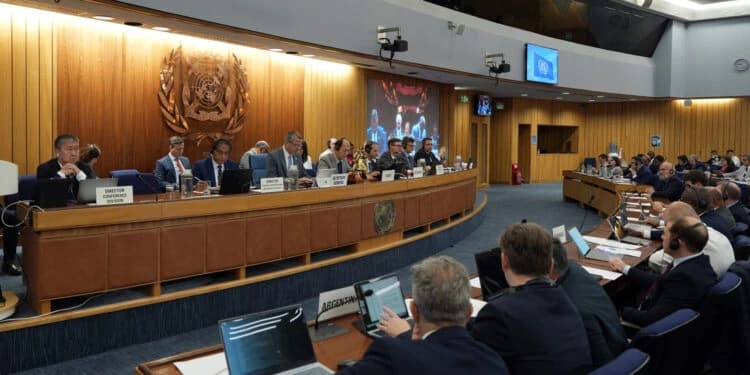
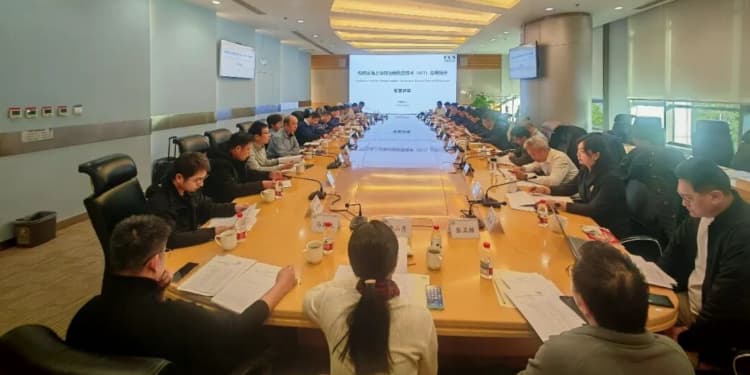
On November 25, CCS said its Guidelines for the Application of Remote Inspection Technology (RIT) on Ships and Offshore Installations were endorsed by a panel of 25 experts at a review meeting in Beijing. CCS said the document is based on years of research and practical use of unmanned aerial vehicles (UAVs), crawling robots and underwater robotic systems in ship surveys.
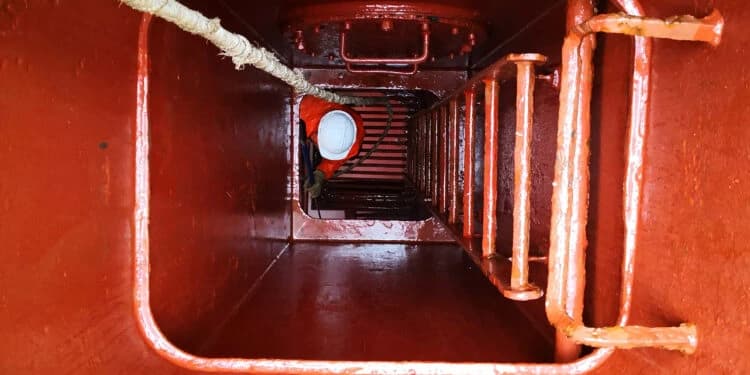
Remote inspection technology enables surveyors to examine structural zones that are hard to access, take images and perform thickness measurements without entering potentially hazardous locations. CCS says the new framework is intended to support wider and more consistent use of these tools across marine inspections.
What the guidelines cover
The proposed standards set out requirements for the equipment itself, how it should be operated, and how the resulting inspection data should be handled. They also address how systems are tested and assessed before use. CCS wants the guidelines to improve the quality of remote inspections while lowering the occupational risks tied to conventional survey methods.
- Suitability and technical capabilities of remote inspection equipment.
- Operational safety and inspection efficiency.
- Accuracy, reliability and integrity of inspection data.
- Data management and storage.
- Testing, verification and performance assessment of remote inspection systems.
Regulatory context
CCS developed the guidelines with recent International Maritime Organization (IMO) measures in mind, including Resolution MSC.584(111), which contains amendments to the 2011 International Code on the Enhanced Programme of Inspections during Surveys of Bulk Carriers and Oil Tankers (ESP Code), and MSC.1/Circ.1700, which offers guidance on remote inspection technology for surveys under the ESP Code.
The review result points to continuing efforts to bring robotics and digital inspection methods into ship surveys, making it easier to inspect hard-to-reach areas while also supporting vessel maintenance and structural condition checks. CCS has not announced a formal publication or implementation date for the guidelines.