UK Chamber of Shipping calls for closer EU alignment to reduce shipping costs
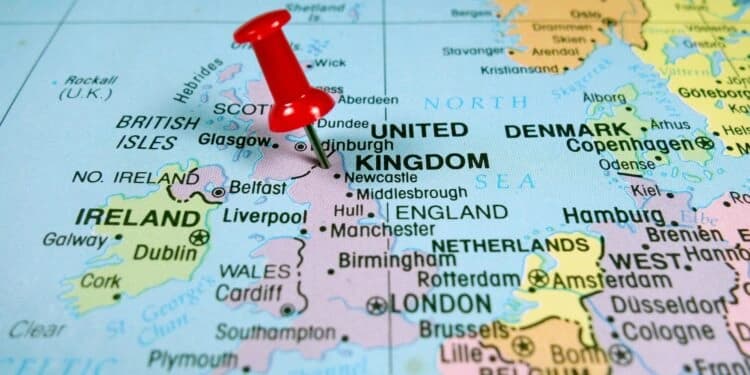
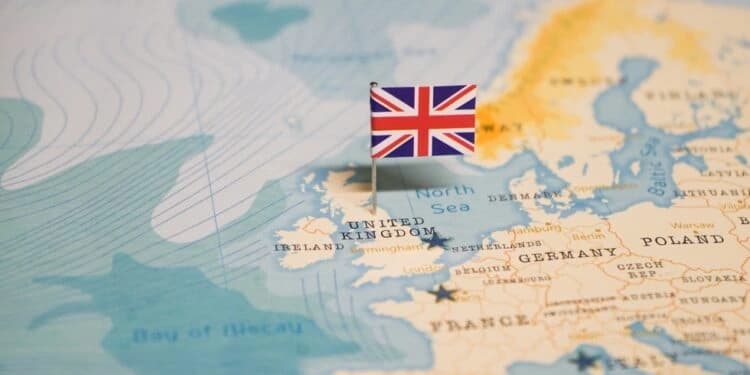
The UK Chamber of Shipping has urged the UK and EU to reduce trade barriers and regulatory costs ahead of their November 20 summit in Brussels.
In a statement issued on November 19, the Chamber called for closer cooperation between the UK and EU to simplify trade procedures, improve regulatory certainty and support shipping’s transition to net-zero emissions while protecting essential maritime connectivity.
The appeal comes as EU and UK leaders meet in Brussels on November 20 for the second EU-UK summit, where they are expected to review progress on their strategic partnership and discuss further cooperation on economic, environmental and security priorities. The meeting follows the first summit held in London in May 2025.
According to the Chamber, closer cooperation should translate into simpler procedures, greater certainty and lower costs for ship operators, ports and businesses involved in UK-EU trade.
The UK-EU reset presents an opportunity to make our trading relationship work better in practice. Greater alignment can reduce duplication, give businesses greater certainty and make it easier to move goods and people across our borders.
…said a UK Chamber of Shipping spokesperson.
Calls for emissions trading alignment
A central concern raised by the Chamber is the potential duplication of requirements under the UK and EU Emissions Trading Systems (ETS).
The organization called for greater alignment of monitoring, reporting and verification requirements, particularly for offshore vessels, to reduce administrative burdens and compliance costs.
The spokesperson emphasized that shipping supports decarbonization but that regional emissions trading arrangements should minimize unnecessary complexity.
The Chamber also called for ETS revenues to be reinvested in shipping’s decarbonization, including cleaner fuels, technologies and more efficient vessels, while ensuring UK operators are not disadvantaged compared with EU competitors.
Key recommendations
The Chamber outlined several priorities for UK-EU discussions and any future expansion of the UK ETS:
- Ensure ETS revenues support shipping’s decarbonisation. The UK should ensure that revenues and wider financial support help operators invest in cleaner fuels, technologies and more efficient vessels. UK operators should not be placed at a competitive disadvantage where EU operators have access to greater support for their transition.
- Recognise the particular role of ferries, short-sea shipping and lifeline services. These services are extensions of road and rail networks, fundamental to UK-EU supply chains and vital to island communities. The UK should make full use of available derogations to protect essential connectivity and maintain a level playing field, including for lifeline ferry services to the Isle of Wight and existing exemptions for Scottish domestic routes. Any extension of the UK ETS should also fully consider the impact on Northern Ireland, including its interaction with the Windsor Framework.
- Conduct a full economic impact assessment before extending the UK ETS internationally, including the effects on freight costs, inflation, UK exporters, regional connectivity and modal shift.
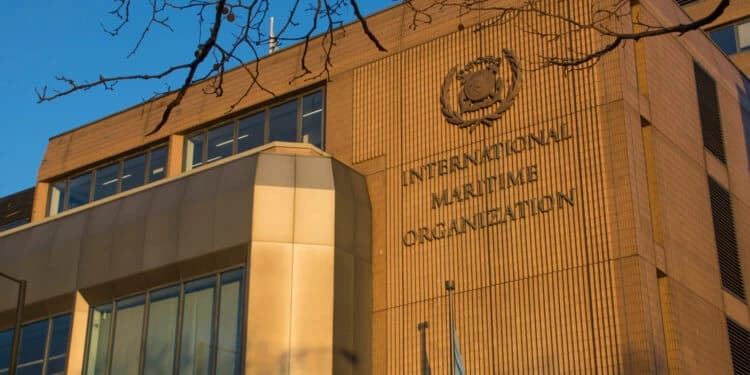
- Build in a review and sunset mechanism so that UK regional measures can be adjusted or withdrawn once an effective global IMO framework is implemented.
Beyond emissions trading, the Chamber welcomed progress toward a UK-EU Sanitary and Phytosanitary (SPS) agreement, which could simplify border procedures and reduce delays affecting ferry operators, ports, hauliers and businesses trading with Europe.
It also advocated more proportionate border controls, compatible digital systems and stronger regulatory cooperation.
The Chamber stressed that closer UK-EU cooperation should complement international maritime regulations rather than introduce additional requirements that could complicate shipping’s transition to net-zero emissions.