The Norwegian Maritime Authority (NMA) is warning ship operators about the dangers of maintaining pressurized systems after a series of serious and fatal accidents involving stored energy onboard.
Fatal cargo-vessel incident exposed missing safeguards
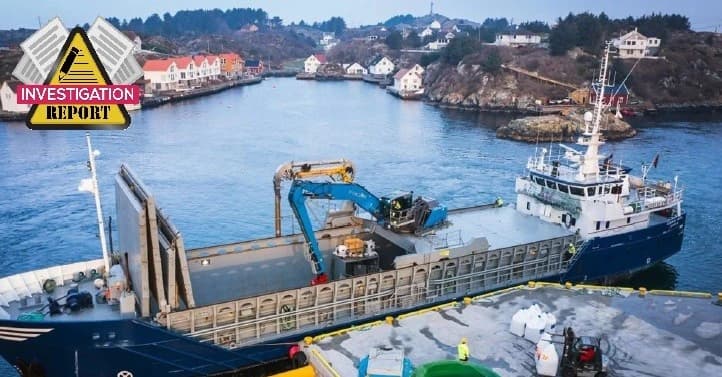
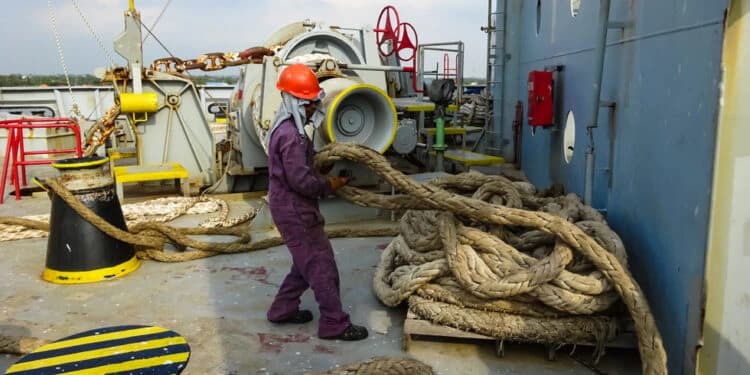
The authority said it has been notified of multiple incidents tied to the repair and maintenance of work equipment where pressure or stored energy created a direct hazard to personnel. One of the most severe cases took place on a cargo vessel on October 29, 2025, when a lifting frame moved uncontrollably during maintenance on an excavator and caused a fatality.
Investigators later found that safety in that case depended mainly on one work step being performed correctly, while no physical barrier had been installed to stop dangerous movement. They also found that the locking mechanism recommended by the manufacturer was not available onboard.
Repeated problem areas identified by the authority
The NMA said similar reports have involved hydraulic systems, winches, fuel systems, lifting equipment and pneumatic systems. From those incidents, it identified several recurring contributing factors that increase the risk of injury or death during maintenance work.
- Lack of or inadequate risk assessment before work commences.
- Insufficient training of personnel.
- Inadequate knowledge of equipment functions and safety barriers.
- Failure to secure equipment against unintended movement or the release of stored energy.
- Defective or disconnected safety functions.
- Inadequate maintenance or technical oversight.
- Time pressure or insufficient planning of work operations.
What the rules require onboard
Under Norway’s Ship Safety and Security Act and related health, safety and environment (HSE) rules, shipping companies must identify hazards onboard, assess the risks and put suitable protective measures in place. Work equipment must also be fit for its intended use, kept properly maintained and operated only by personnel who have received the necessary training and information.
The NMA added that companies are responsible for documenting that training and for including safe use and maintenance procedures in their safety management systems.
Measures the NMA says should be taken
Before maintenance or repair work begins on pressurized systems, the authority says operators should:
- Conduct a risk assessment of the work operation.
- Identify and secure all energy sources and pressurized systems before work begins.
- Use mechanical restraints, locking devices or other physical barriers wherever practicable.
- Ensure personnel are familiar with the equipment’s functions, limitations and safety barriers.
- Ensure work instructions and procedures are available and followed.
- Assess the technical condition of equipment before work begins.
- Rectify defective safety functions before further use.
- Provide and document appropriate training.
The authority stressed that maintenance safety should never rely only on one work operation or a person carrying out a single action correctly. Wherever practicable, it said technical or physical barriers should prevent uncontrolled movement or the release of stored energy, and shipping companies must make sure proper procedures, protective equipment and adequate training are in place to avoid similar accidents.