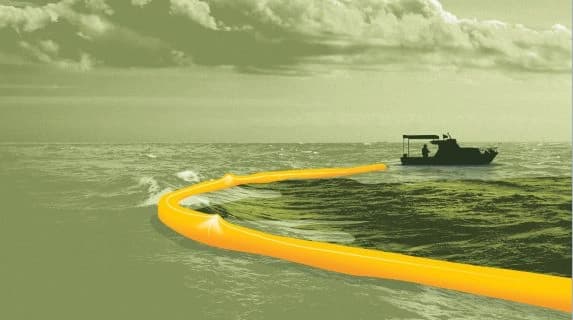
Gard has cautioned shipowners that insurance for oil pollution linked to hostile acts may not be as broad as some authorities expect, and it is urging companies to check their existing cover. In a published article, Tonje Castberg, Senior Claims Adviser at Gard, said recent geopolitical tensions have led some authorities to ask for confirmation that vessels are properly insured for spill response after hostile incidents.
Conventions and liability limits
Gard says the issue sits against a framework of international conventions that impose strict shipowner liability and require compulsory insurance. Those instruments include the 1992 International Convention on Civil Liability for Oil Pollution Damage (CLC), the 2001 International Convention on Civil Liability for Bunker Oil Pollution Damage (Bunkers Convention), the Nairobi International Convention on the Removal of Wrecks, and the 2010 Hazardous and Noxious Substances (HNS) Convention, which will enter into force on November 29, 2027.
At the same time, those conventions contain exemptions in some cases involving war, hostilities, civil war or insurrection. Gard argues that this means a request for proof of insurance does not automatically mean a shipowner will be liable, or that an insurer must pay every pollution-related cost that follows a conflict-related incident.
Blue Cards and war risk cover
Gard stresses that a Blue Card is evidence that the financial security requirement of the relevant convention has been met. It is not a promise that pollution response costs will be paid in every situation. For that reason, the company says official requests for confirmation that insurance covers pollution response costs regardless of the cause may go beyond what conventional P&I insurance is designed to provide.
War risk insurance can respond to liabilities that standard P&I cover excludes when a war-related event is involved. Even so, Gard notes that if a convention removes the shipowner’s liability, there may be no liability left for war risk insurers to cover. Other costs, including those arising from contractual commitments, national legislation, voluntary response action or directions from authorities, may still be covered depending on the law, policy wording and facts of the case.
Gard’s guidance for shipowners
Gard is advising shipowners, managers and insurance teams to take a closer look at both local requirements and policy terms before offering any assurances to authorities. The company says mandatory oil spill response arrangements do not automatically prove that insurance cover exists, and it warns against treating a Blue Card as if it were unrestricted pollution protection.
- Review local requirements: Mandatory oil spill response arrangements do not automatically establish insurance coverage.
- Understand Blue Card limitations: Recognize that these documents relate to specific convention obligations rather than unrestricted pollution coverage.
- Review war risk insurance: Establish whether existing policies respond to war-related liabilities and expenses.
- Consult insurers before providing assurances: Discuss requests from authorities with the relevant P&I and war risk insurers before confirming coverage.
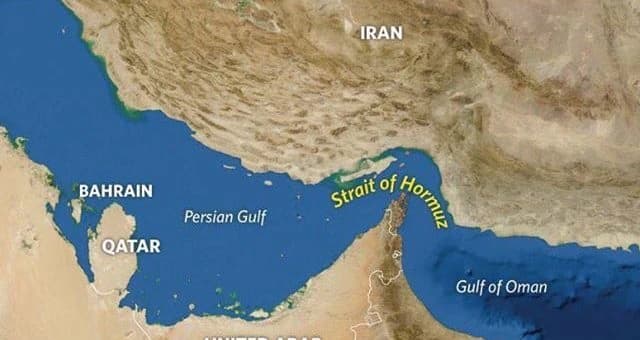
Gard also says it cannot issue assurances that expand existing insurance cover or turn a convention Blue Card into an all-risks pollution guarantee. The warning comes as geopolitical tensions in the Middle East continue to raise security and environmental concerns for commercial shipping, while a recent tanker oil spill along the UAE coastline has underlined the need to understand liability and insurance arrangements in conflict-affected waters.