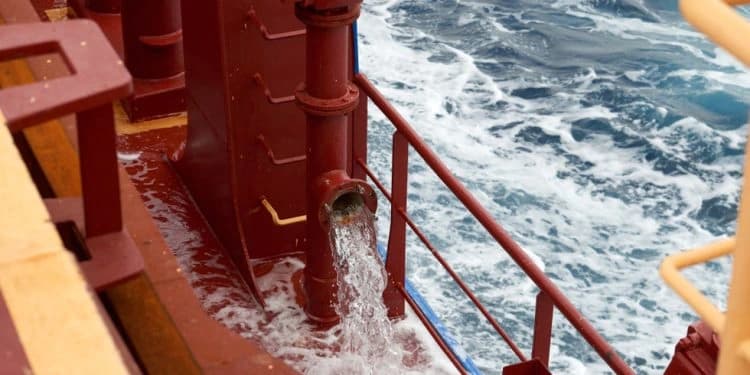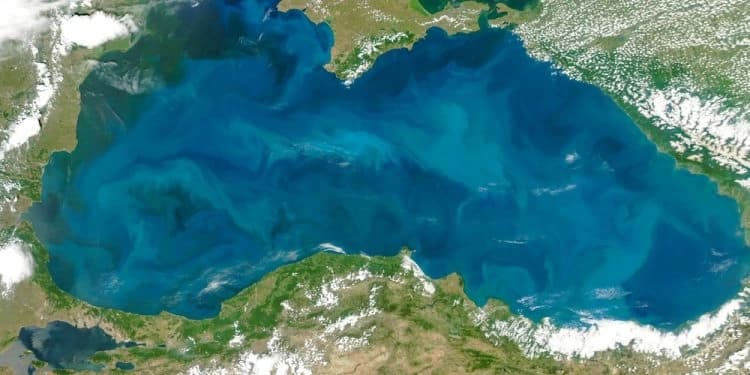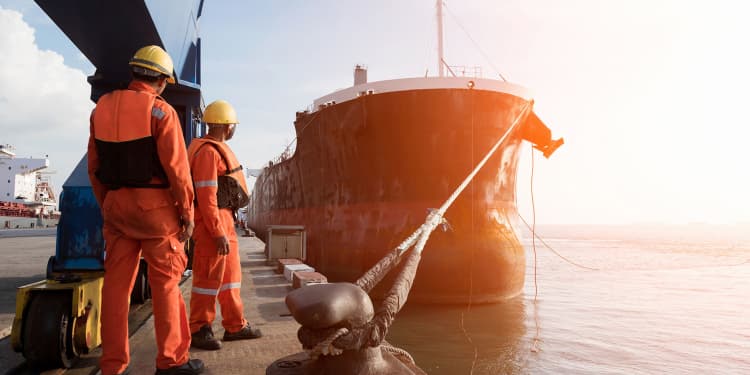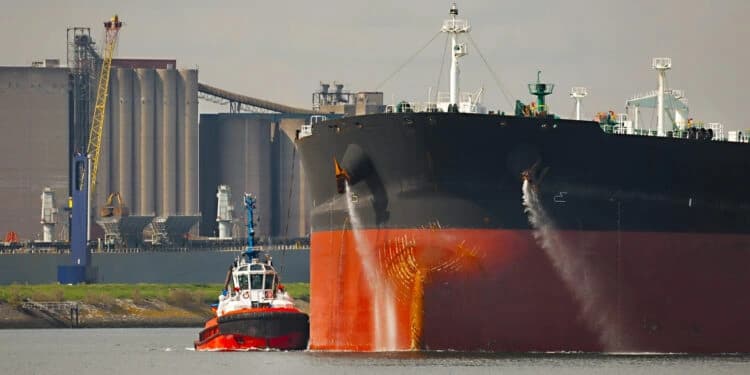
The Port of Santos has put mandatory inspections back in place for every ship’s ballast water discharge after an injunction from the Superior Court of Justice (STJ) upheld the port authority’s position. Brazil P&I Club said the change means vessels must again present proof of compliance before docking, restoring a rule that had been challenged by the National Waterway Transport Agency (Antaq).
STJ backs the port authority
The Santos Port Authority resumed enforcement after Justice Teodoro Silva Santos granted the injunction in favor of the state-owned company. The ruling supports the port authority’s challenge to an Antaq decision that had declared the local requirement invalid. Antaq had argued that the Santos Port Authority went beyond its powers and lacked jurisdiction to regulate the subject.
Under the reinstated procedure, ships must show a certificate confirming compliance with international ballast water discharge inspection standards before they are allowed to berth. Before this measure, inspections were carried out through sampling and relied on information supplied by ship captains. The new regime requires monitoring of all vessels rather than selected cases.
How ballast water rules work in Brazil
Brazil’s NORMAM 401 sets the standards for ballast water management and the sanctions for noncompliance. The rule gives ships two main options. Under D1, ballast water may be discharged in oceanic waters at least 200 nautical miles from the coast in areas with a minimum depth of 200 meters, or at 50 miles from the coast if the depth is also at least 200 meters. Under D2, ships must meet the performance standard, generally by installing treatment systems onboard.
The most common onboard technologies combine filters with ultraviolet lamps or filters with an electrochlorination process. According to the port authority, the inspection rule is intended to strengthen local environmental protection. It said that one-third of vessels failed to meet their legal obligations while the measure was in force, which it cited as evidence of weaknesses in the current inspection system.
The inspections prevent environmental damage caused by invasive and harmful species to marine life and the environment. For now, no fines will be issued, allowing shipowners time to comply with the regulation,
Aranha said ballast water can carry sewage, toxic materials, or exotic species, creating serious environmental and public health risks. He noted that many of these animals and plants are endemic, lack natural predators, and can reproduce quickly, putting pressure on native species. He also said bacilli and other pathogenic organisms may be moved from one region to another through discharged ballast water.
The port authority also linked the issue to global trade volumes. It said bioinvasion is becoming more serious because shipping moves around 10 billion tons of ballast water each year worldwide. In Brazil, the volume reaches 80 million tons annually, while 95% of the country’s foreign trade is carried by sea.
Costs and documents required in Santos
Only one company has been accredited by the port authority to conduct the required monitoring, and users have criticized the arrangement as regulatory overreach. The company checks compliance using information supplied by ships, including geographic coordinates, and relies on artificial intelligence, GPS, and other technologies to determine whether ballast water was discharged in authorized areas or whether the filtration systems required by the International Maritime Organization (IMO) and Brazil’s NORMAM 401 were used. In practice, certification costs an average of about US$ 1,500 per vessel.
The company’s published charges for the mandatory service at the Port of Santos are as follows:
- US$ 1,700 per certificate for services requested by non-member maritime agencies;
- US$ 1,390 per certificate for services requested by maritime agencies that are members of the Association of Shipping Agencies.
To obtain the certificate, vessels must present the following documents:
- Annex C – Ballast Water Management Methods, containing a valid/approved international certificate;
- Appendix II – International Convention for the Control and Management of Ships’ Ballast Water and Sediments;
- Ballast Water Record Book Report;
- International Ballast Water Management Plan Certificate;
- Ballast Water Management Plan – Complete document;
- Manufacturer’s Certificate of the Ballast Water Treatment System (BWTS);
- Ballast Water Report – Annex B – Standard format from the Port Captaincy.