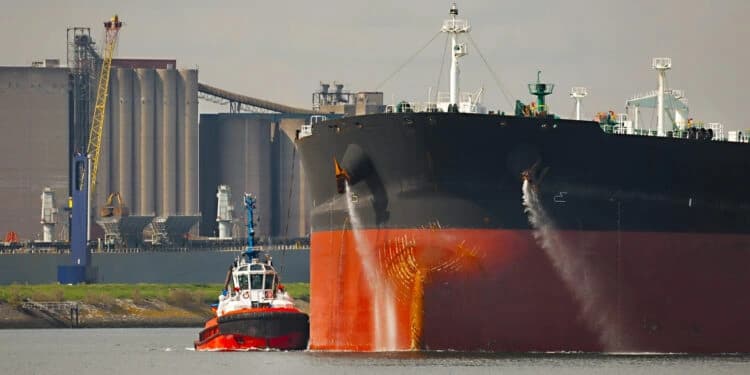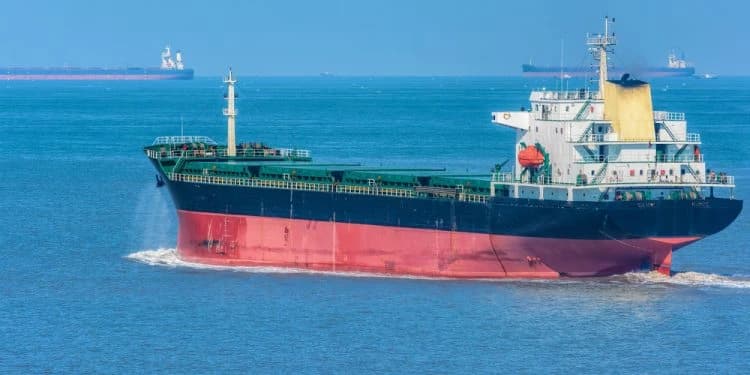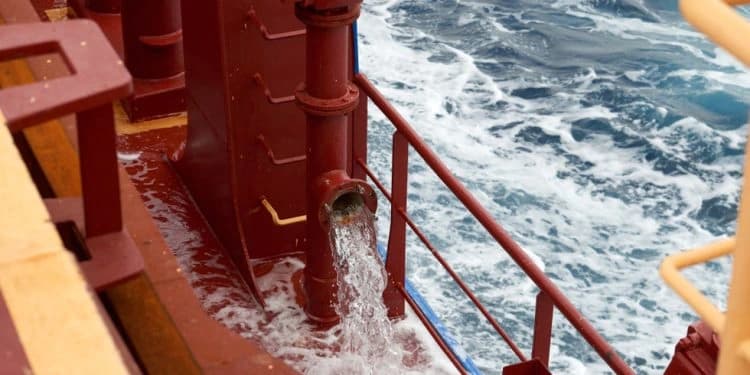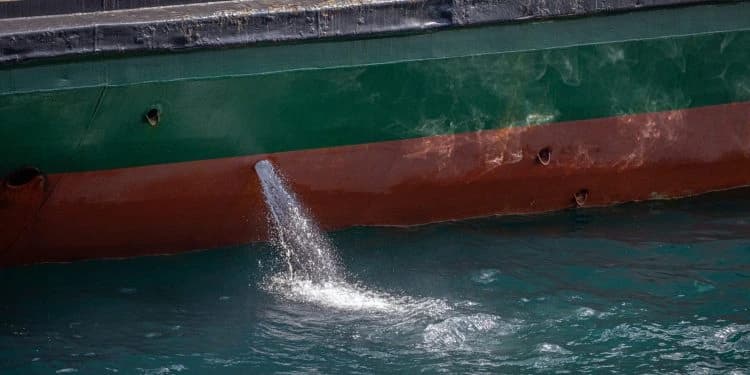
BIO-UV Group has urged shipowners to get ready for intensive Port State Control checks after a Concentrated Inspection Campaign on Ballast Water Management began on 1 September 2025. The effort is being led by the Paris and Tokyo MoUs and will run until the end of November, with inspectors using a standardised ten-point checklist on every vessel examined.
What inspectors will examine
The campaign is the most forceful global enforcement push so far since the D-2 discharge standard became fully mandatory in September 2024. Inspectors will verify that ships hold a valid International Ballast Water Management Certificate, carry an approved and current BWM plan, and operate a type-approved treatment system in line with that plan.
Checks will also cover whether crews understand the procedures, whether record books are complete, and whether sediment management and any exemptions granted are properly handled.
The concentrated inspection campaign is now underway. The message to the industry is very clear: BWM Convention is now fully in force, and Port State Control will expect every vessel to be fully compliant with its requirements, with no excuses. Shipowners cannot wait until an inspector calls. They need to be prepared.
Risks highlighted by BIO-UV Group
Authorities have already expressed frustration over repeated shortcomings found during inspections. BIO-UV Group said failures have often stemmed less from the equipment itself than from weak documentation, uneven maintenance and limited crew knowledge. With the campaign now active, the company warned that shipowners could face detentions, delays and damage to their reputation if these issues remain unresolved. PSC officers will be looking for signs that ballast water is being managed routinely as set out in each ship’s BWM plan, which means crews must be able to explain the process, demonstrate how the system works and show that the paperwork matches actual practice.
- check certificates,
- update their plan;
- train crews;
- and carry out compliance audits now, rather than waiting to be challenged at the quayside.
This PSC campaign is a reminder that compliance is not optional. It is an essential part of safe, efficient and sustainable ship operation.