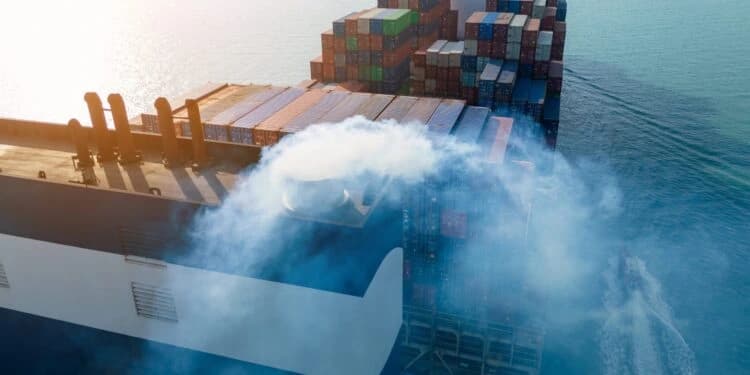
Skuld outlines EU ETS compliance requirements for offshore vessels ahead of 2027
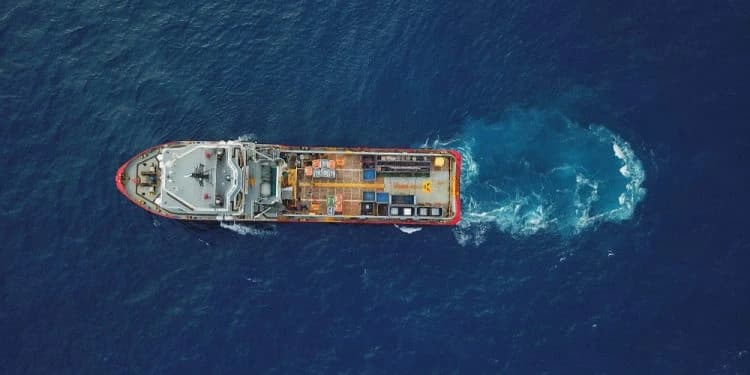
Offshore vessels of 5,000 GT and above will enter the EU Emissions Trading System in 2027, introducing new compliance obligations for operators.
In an update published on 12 November, Skuld P&I Club outlined the requirements that will apply from January 1, 2027, including emissions allowance obligations, responsibility for compliance and contractual arrangements between shipowners and charterers.
The EU ETS has applied to cargo and passenger vessels of 5,000 GT and above since January 2024. From 2027, its scope will expand to include offshore vessels meeting the same tonnage threshold. As explained by Simone Vitzthum, Assistant Vice President, Loss Prevention, and Lawyer at Skuld, the requirements will cover carbon dioxide (CO₂), methane (CH₄) and nitrous oxide (N₂O) emissions from qualifying offshore vessels calling commercially at ports within the European Economic Area (EEA).
Skuld clarified that port calls made exclusively for non-commercial reasons, such as obtaining supplies, seeking shelter from adverse weather or responding to emergencies, are generally excluded from the definition of a port of call under EU ETS, provided no commercial operations take place during the same visit.
Compliance responsibilities and key deadlines
According to Skuld, the registered shipowner is responsible for EU ETS compliance by default. However, these obligations may be delegated to a company responsible for the vessel under the International Safety Management (ISM) Code.
Where such delegation occurs, the designated company must notify the relevant administering authority and provide information about the vessels under its responsibility.
Shipping companies will be required to obtain and surrender EU Allowances (EUAs) corresponding to their verified emissions. For offshore vessels entering the system in 2027, the first allowance surrender deadline will be September 30, 2028, covering emissions generated during the 2027 calendar year.
Skuld also highlighted the different emissions coverage requirements depending on voyage type:
- Intra-EEA voyages: 100% of relevant emissions must be covered by allowances.
- Extra-EEA voyages: 50% of relevant emissions must be covered by allowances.
- Allowance calculation: One EUA is required for each tonne of CO₂-equivalent emissions within the applicable EU ETS scope.
Allowance accounts and charterer obligations
Skuld explained that shipping companies must surrender allowances through a Maritime Operator Holding Account (MOHA), maintained in the EU Registry under their designated EEA administering authority.
Companies established outside the EEA must also be assigned to a competent EEA authority to fulfill their compliance obligations.
Although charterers may purchase and transfer EUAs to shipowners through trading accounts, they cannot surrender allowances directly on behalf of the shipping company.
This distinction makes contractual arrangements particularly important, as shipowners and charterers must establish how emissions-related costs and allowance transfers will be managed.
Skuld therefore encourages offshore operators to review their existing contracts and ensure that responsibilities for EU ETS compliance are clearly addressed before the new requirements take effect.
Offshore sector raises concerns over EU ETS implementation
The guidance follows growing concerns about the application of existing emissions monitoring rules to offshore operations.
As previously reported, eight maritime associations urged the European Commission to revise the EU MRV framework before extending ETS obligations to offshore vessels.
The associations argued that the current monitoring, reporting and verification framework does not adequately reflect the operational characteristics of offshore vessels, potentially creating inconsistencies and unnecessary administrative burdens.
While offshore vessels of 400 GT and above have been subject to EU MRV requirements since January 2025, the introduction of ETS obligations for vessels of 5,000 GT and above will add financial compliance requirements.